
Find No Yearly Fee Credit Cards

Skip annual fees and earn rewards every day with top no yearly fee credit cards across Canada.
Many of these no-fee picks also appear in our best cash back credit cards ranking, alongside premium options with waived first-year fees.
Top No Fee Cards Canada 2026
No yearly fee credit cards eliminate the annual charge while still offering rewards on everyday spending. The best options in Canada provide cash back, flexible points, or travel benefits without asking you to pay a yearly fee.
Canadian consumers can access cards that earn meaningful rewards across groceries, gas, dining, and general purchases. Many include purchase protections and mobile device insurance despite charging no annual fee.
| Card | Rewards Rate | Welcome Offer | Purchase Rate |
|---|---|---|---|
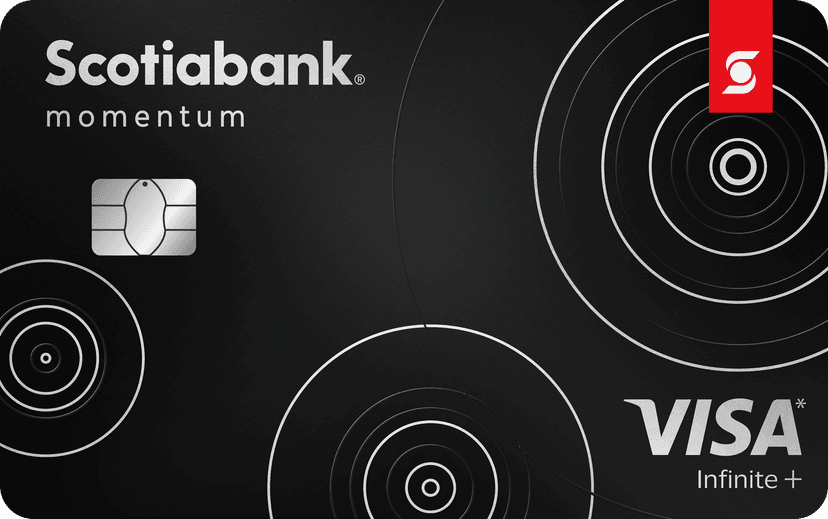
| Scotiabank American Express | 1x-3x Scene+ points | Up to 5,000 points | 21.99% |
| Tangerine Money-Back World Mastercard | 0.5%-2% cash back | $120 | 20.95% |
| SimplyCash from American Express | 1.25%-2% cash back | Up to $100 | 21.99% |
| BMO CashBack Mastercard | 0.5%-3% cash back | Up to 5% | 21.99% |
| Neo World Mastercard | 0.5%-2% cash back | N/A | 19.99% |
Rates and terms may vary by financial institution. These cards offer flexibility across different spending patterns, from flat-rate cash back to customizable bonus categories.
Best Cash Back Cards No Fee
Cash back cards return a percentage of your spending directly to your account. The strongest no-fee options in Canada reward everyday purchases without caps or complicated redemption processes.
Simplii Financial Cash Back Visa
This card earns 4% cash back on restaurants, bars, and coffee shops for up to $5,000 per year. Gas, groceries, and drugstore purchases earn 1.5% back up to $15,000 annually. All other spending earns 0.5% with no limit.
Cash back appears on your December statement automatically. No annual fee applies, and welcome offers can reach $100 when you meet spending thresholds in the first three months. Interest rates sit at 21.99% for purchases and 22.99% for cash advances.
Tangerine Money-Back World Mastercard
You choose up to two categories that earn 2% cash back with this card. Add a third category when you deposit rewards into a Tangerine Savings Account. All other purchases earn 0.5% back.
Available categories include groceries, gas, dining, entertainment, recurring bills, drugstores, furniture, hotels, and public transit. Cash back pays out monthly rather than annually. Current welcome offers provide $120 when you spend $1,500 in the first three months.
BMO CashBack Mastercard
Grocery purchases earn 3% cash back on the first $500 spent monthly. Recurring bill payments earn 1% on the first $500 per month. Everything else earns 0.5% back with no caps.
You can redeem cash back any time through direct deposit, statement credit, or contributions to BMO InvestorLine accounts. The card includes extended warranty coverage and purchase protection. Balance transfers qualify for a 0.99% introductory rate for nine months with a 2% transfer fee.
No Fee Points Cards
Points-earning cards without annual fees let you accumulate flexible rewards for travel, merchandise, or statement credits. These programs suit Canadians who prefer redemption options beyond straight cash back.
Scotiabank American Express Card
This card earns 3x Scene+ points on eligible groceries and dining, 2x points on streaming services, and 1x point on all other purchases. Scene+ points redeem for travel, entertainment, dining, or merchandise through the Scene+ marketplace.
Mobile device protection covers up to $1,000 for eligible devices. American Express Offers provide additional discounts at partner merchants. Welcome bonuses reach up to 5,000 points for new cardholders. Interest rates are 20.99% on purchases and 22.99% on cash advances.
RBC ION Visa Credit Card
Earn 1.5x Avion points per dollar on groceries, gas, electric vehicle charging, rideshare services, streaming subscriptions, and digital gaming. All other qualifying purchases earn 1x point per dollar spent.
Avion points redeem against purchases, bill payments, or Interac e-transfers starting at just $10. You can also convert points to partner loyalty programs. The card includes fuel discounts of 3 cents per litre at Petro-Canada stations. Welcome offers provide up to 11,000 points when you meet spending requirements.
Eligibility Requirements
No annual fee cards typically require lower income thresholds than premium options. Most issuers ask for minimum credit scores in the fair to good range, though specific requirements vary by institution.
- Income requirements: World Elite Mastercards require $80,000 personal or $150,000 household income, while standard cards often have no minimum
- Credit score: Most no-fee cards approve applicants with scores above 650, though some accept lower scores
- Residency status: Canadian residency and legal age of majority in your province apply universally
- Credit history: Established credit history helps approval odds, though student cards and secured options exist for newcomers
When comparing options, match your income and credit profile to cards where you meet the stated requirements. Applying for cards beyond your qualification range can result in rejections that temporarily lower your credit score.
Hidden Costs To Watch
No annual fee does not mean no fees at all. Canadian credit cards charge various transaction and service fees that can add up if you are not careful.
- Foreign transaction fees: Most cards charge 2.5% on purchases made in foreign currencies or outside Canada
- Cash advance fees: Taking cash from ATMs typically costs $5 plus 3-5% of the amount withdrawn, with immediate interest charges
- Balance transfer fees: Moving debt from another card usually costs 1-3% of the transferred amount
- Late payment penalties: Missing your due date can trigger $35-$48 fees plus interest rate increases
- Over-limit fees: Exceeding your credit limit may result in declined transactions or additional charges
Read the terms and conditions document before applying. Focus on fees that match your likely usage patterns, such as foreign transaction charges if you travel frequently or cash advance costs if you might need emergency cash access.
Choosing The Right Card
Your spending patterns determine which no-fee card delivers the most value. Track where your money goes for two to three months before deciding.
If you spend heavily on groceries and gas, cards with elevated rates in those categories make sense. Frequent restaurant diners benefit from higher earnings at food establishments. General spenders who lack concentrated spending in specific areas might prefer flat-rate cash back cards.
- High restaurant spending: Simplii Financial Cash Back Visa earns 4% at restaurants, bars, and coffee shops
- Flexible categories: Tangerine Money-Back lets you choose which purchases earn 2% based on your actual spending
- Grocery-focused budgets: BMO CashBack Mastercard provides 3% back on monthly grocery purchases up to $500
- Balanced everyday use: Scotiabank American Express offers solid Scene+ earning across groceries, dining, and streaming
- Travel redemption preference: RBC ION Visa accumulates Avion points that convert to multiple airline and hotel programs
Compare multiple options using our credit card comparison tool to see how different cards perform based on your monthly spending breakdown across categories.
Premium Cards vs No Fee Options
Cards with annual fees often provide higher rewards rates, better insurance coverage, and premium perks like airport lounge access. The question becomes whether those benefits justify the yearly cost.
Calculate the break-even point by dividing the annual fee by the difference in rewards earning rates. If a premium card charges $120 yearly and earns 1% more cash back than a free alternative, you would need to spend $12,000 annually just to offset the fee.
| Feature | No Annual Fee | Annual Fee Cards |
|---|---|---|
| Typical rewards rate | 0.5%-2% base, up to 4% categories | 1%-3% base, up to 5% categories |
| Welcome bonuses | $100-$150 value typical | $300-$1,000+ value common |
| Travel insurance | Basic or none | Comprehensive medical, trip, baggage |
| Purchase protections | Standard 90 days | Extended 120 days plus price protection |
| Airport lounge access | Rarely included | Common at premium tiers |
No-fee cards make sense when you spend moderately, pay your balance in full monthly, and do not need extensive travel insurance. Premium cards justify their cost for high spenders who travel frequently and use all included benefits.
Building Credit With No Fee Cards
No annual fee cards work well for establishing or rebuilding credit history. You can keep these cards active indefinitely without worrying about recurring charges eating into your budget.
Length of credit history accounts for approximately 15% of your credit score. Opening a no-fee card and using it responsibly for years builds this component without ongoing costs. Make small purchases monthly and pay the full balance before the due date.
- Payment history: Accounts for 35% of your score, requires on-time payments every month without exception
- Credit utilization: Keep balances below 30% of your limit, ideally under 10% for optimal scoring
- Account age: Older accounts boost your score, making no-fee cards ideal long-term holds
- Credit mix: Having different account types helps, though this factor carries less weight than others
Avoid closing old no-fee accounts even if you rarely use them. The age of these accounts benefits your credit profile, and there is no financial penalty for keeping them open.
New Cards Launch 2026
Financial institutions revise their no-fee cards every year. Updated versions often feature adjusted earning categories or improved benefits compared to older products.
Issuers usually adjust bonus categories or welcome offers rather than the base earn rate. Check the current terms on each card page before applying, because a category change can shift which card wins for your spending.
When new cards launch, existing cardholders sometimes receive automatic upgrades to improved terms. Other times you need to apply for the new product separately. Check with your issuer about product refreshes that might boost your rewards without adding fees.
Managing Multiple Cards
Holding several no-fee cards lets you maximize rewards across different spending categories. You might use one card for groceries, another for restaurants, and a third for general purchases.
This strategy works best when you can track which card to use for each purchase without confusion. Set up automatic payments for each card to avoid missing due dates. Monitor all accounts regularly through mobile apps or online banking.
- Category optimization: Use the highest-earning card for each spending type to maximize total rewards
- Welcome bonus stacking: Apply for multiple cards over time to collect several sign-up bonuses annually
- Credit limit growth: Multiple cards increase your total available credit, improving utilization ratios
- Backup coverage: Having cards from different networks ensures acceptance if one is declined or compromised
Keep total applications to two or three per year maximum. Too many hard inquiries within short timeframes can temporarily reduce your credit score. Space applications at least three to six months apart.
Bottom Line
No yearly fee credit cards deliver ongoing value without recurring costs. The strongest options combine meaningful rewards rates with useful protections and flexible redemption. Match your card choice to your spending patterns rather than chasing the highest advertised rate in categories you rarely use. Consider holding multiple no-fee cards to optimize earnings across different purchase types. Review your cards annually to ensure they still align with your financial habits. As offers and features evolve, switching to a better option costs nothing when no annual fees apply.
Before selecting your next card, compare current options side by side to identify which combination of rewards, benefits, and terms fits your needs. Track your actual spending for a few months to see where your money goes, then choose cards that reward those specific categories most generously.
Stay informed about new card launches and promotional offers by subscribing to our newsletter, which delivers weekly updates on the best financial products across Canada.
Looking for more options? Our complete ranking of the best credit cards in Canada includes cards for every financial situation.
No Yearly Fee Credit Cards – FAQ
What is the best no annual fee credit card in Canada?
The Scotiabank American Express Card ranks as the top no-fee option for 2026, offering 3x Scene+ points on groceries and dining with mobile device protection included. For cash back, the Simplii Financial Cash Back Visa leads with 4% earnings at restaurants and 1.5% on groceries and gas. Your best choice depends on whether you prefer flexible points or direct cash back rewards.
Do no annual fee cards have lower rewards?
No-fee cards typically earn 0.5% to 4% rewards depending on spending categories, while premium cards can reach 5% or higher. The difference matters most for high-volume spenders who use all premium benefits. Moderate spenders often earn more total value from no-fee cards since they avoid paying yearly charges that require significant spending to offset.
Can I get approved with fair credit?
Most no annual fee cards accept applicants with credit scores above 650, though approval odds improve significantly above 700. Cards like the Neo World Mastercard and certain RBC options have no stated minimum income requirements. Secured cards remain available for those building or rebuilding credit, requiring a deposit that becomes your credit limit.
Are there hidden fees I should know about?
Common fees include 2.5% foreign transaction charges, cash advance fees of $5 plus 3-5% of the amount, and balance transfer charges of 1-3%. Late payment penalties range from $35 to $48. Review the terms document for your specific card to identify which fees apply to your anticipated usage patterns. Rates and terms may vary by financial institution.
How do I maximize rewards with no fee cards?
Use cards with the highest rates for each spending category. Put restaurant purchases on cards earning 4% in that category, groceries on cards rewarding supermarket spending, and general purchases on flat-rate options. Pay balances in full monthly to avoid interest charges that exceed any rewards earned. Set up automatic payments to prevent late fees.
Should I keep old no fee cards active?
Yes, keeping old accounts open benefits your credit score by extending your average account age and increasing total available credit. Make a small purchase every few months to prevent the issuer from closing the account due to inactivity. There is no financial penalty for holding multiple no-fee cards since they charge nothing yearly.
Can I upgrade to a premium card later?
Most banks allow product switches within their card lineup once you meet income and credit requirements for premium options. Upgrading preserves your account age and credit history. Contact your issuer to request a product change when your financial situation improves and you can justify the annual fee through increased benefits and rewards.
What income do I need for World Elite cards?
World Elite Mastercards require $80,000 personal income or $150,000 household income in Canada. Standard Mastercards and Visa cards often have no minimum income requirement. American Express cards typically state no specific income threshold but assess overall creditworthiness. Check individual card requirements before applying to avoid unnecessary credit inquiries.
Read next



Our editorial integrity
Our reviews and rankings are based on an objective assessment. Advertisers do not influence our content. We may receive compensation through some links; our analysis and opinions remain independent.