

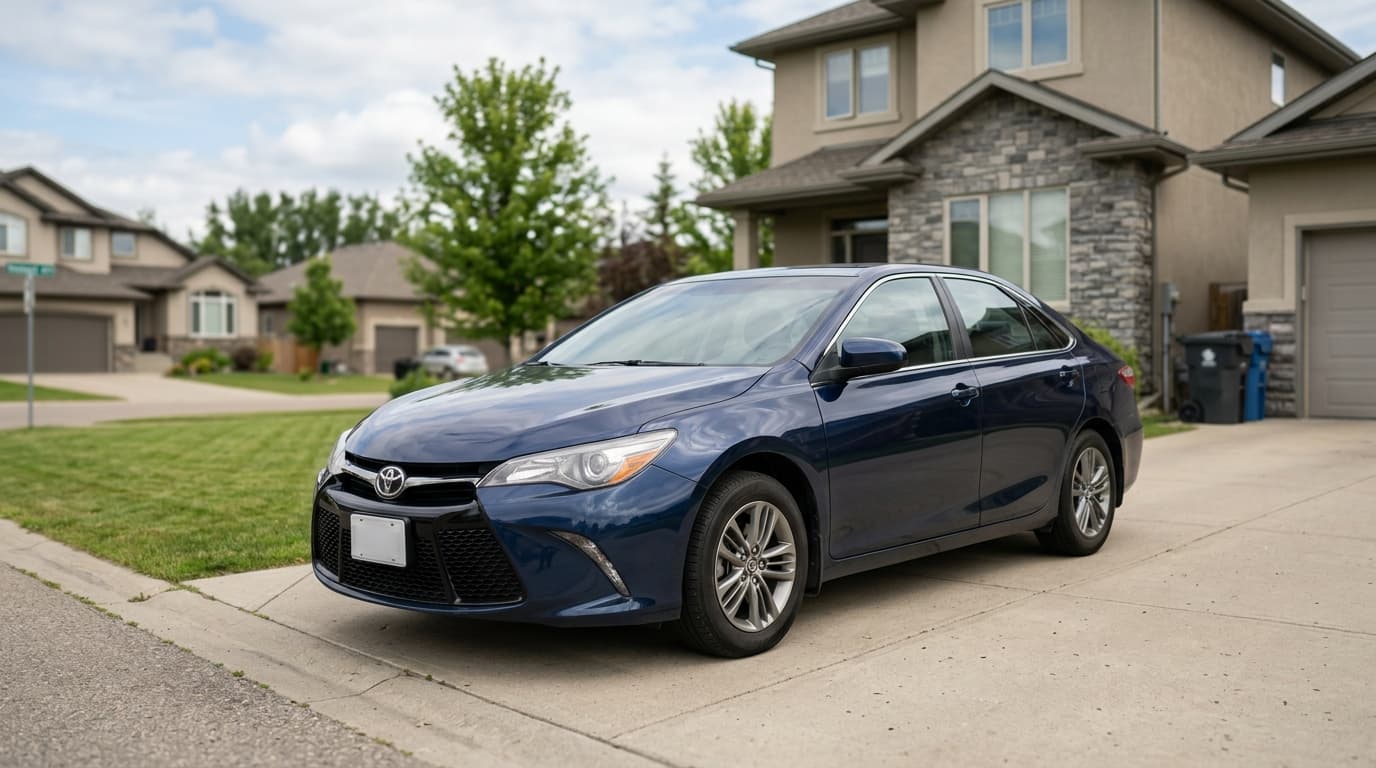
Protect yourself from life’s surprises: learn what car insurance covers and why it matters.
Ratesopedia’s Take: Car insurance is mandatory financial protection that covers you when accidents, theft, or liability claims happen. Every province requires it, but coverage types, costs, and systems vary widely across Canada. Understanding the basics helps you choose the right policy and avoid costly gaps.
Car insurance is one of those financial products you need but hope never to use. Yet it plays a critical role in protecting your finances and meeting legal requirements.
Whether you’re a new driver, moving provinces, or simply reviewing your policy, understanding what car insurance is and how it works in Canada can save you money and stress.
What Is Car Insurance?
Car insurance is a contract between you and an insurance company. You pay a regular premium, and in return, the insurer covers specific financial losses related to your vehicle.
These losses might include damage from a collision, theft, injuries to yourself or others, or legal costs if you’re sued after an accident.
In Canada, car insurance is tied to the vehicle, not the driver. This means your policy covers your specific car and anyone who drives it with your permission.
If you frequently drive someone else’s vehicle, you may need to be added to their policy for proper coverage.
Why Car Insurance Is Mandatory
Every province and territory in Canada requires drivers to carry car insurance. Driving without it is illegal and carries serious penalties.
If you’re caught driving uninsured in Ontario, for example, you could face fines between $5,000 and $50,000, licence suspension for up to one year, and vehicle impoundment.
The law exists to protect everyone on the road. Without mandatory insurance, accident victims might not receive compensation for injuries or property damage.
Insurance ensures that financial resources are available when someone is hurt or when vehicles are damaged, regardless of who caused the accident.
Types of Car Insurance Coverage
Car insurance policies include several types of coverage. Some are mandatory across Canada, while others are optional but highly recommended.
Mandatory Coverage Types
- Third-Party Liability: Covers injury or property damage you cause to others in an accident. This is required nationwide and protects you from lawsuits.
- Accident Benefits: Pays for medical expenses, rehabilitation, and income replacement for you and your passengers, regardless of who caused the accident.
- Uninsured Motorist: Protects you if you’re hit by a driver without insurance or in a hit-and-run situation. Required in all provinces except Alberta.
- Direct Compensation Property Damage: Covers damage to your vehicle when another driver is at fault. Now optional in Ontario but mandatory in several other provinces.
Optional Coverage Types
- Collision Coverage: Covers damage to your vehicle from a collision with another vehicle or object, regardless of fault. Often required by lenders if you’re financing.
- Comprehensive Coverage: Covers non-collision events like theft, fire, vandalism, hail, and flooding. Essential if you live in a high-theft area.
- All Perils: Combines collision and comprehensive coverage, plus protection if your vehicle is stolen by someone in your home or hired to service it.
- Specified Perils: Covers your vehicle against specific risks like fire, theft, or weather damage, but not collisions.
How Much Does Car Insurance Cost?
The average cost of car insurance in Canada is approximately $1,308 per year, or $109 per month. However, rates vary dramatically by province and individual circumstances.
Ontario has the highest average premium at around $1,920 annually, while Quebec has the lowest at roughly $900 per year.
| Province | Avg. Annual Premium | Insurance System |
|---|---|---|
| Ontario | $1,920 | Private |
| Alberta | $1,735 | Private |
| British Columbia | $1,450 | Public (ICBC) |
| Saskatchewan | $1,249 | Public (SGI) |
| Manitoba | $1,140 | Public (MPI) |
| Quebec | $900 | Hybrid |
Rates and terms may vary by financial institution and province.
What Affects Your Premium?
- Driving record: Accidents, tickets, and convictions increase your premium. A clean record earns you discounts.
- Location: Urban areas with higher accident rates and auto theft (like the Greater Toronto Area) cost more to insure than rural regions.
- Vehicle type: Expensive or high-performance vehicles cost more to insure. Vehicles with good safety ratings and low theft rates cost less.
- Age and experience: Young and inexperienced drivers pay higher premiums due to statistically higher accident risk.
- Coverage and deductibles: Higher coverage limits and lower deductibles increase your premium. Choosing a higher deductible reduces monthly costs.
- Claims history: Frequent claims signal higher risk to insurers, resulting in higher premiums.
In Ontario, choosing the right vehicle can save you hundreds to thousands of dollars annually. Insurers use the Canadian Loss Experience Automobile Rating (CLEAR) system to assess claim frequency and costs by make and model.
Provincial Insurance Systems
Car insurance is regulated provincially, which means how you buy coverage and what it costs depends on where you live.
Canada has three types of systems: public, private, and hybrid. Each affects your options and pricing differently.
Public Insurance Provinces
British Columbia, Saskatchewan, and Manitoba use government-run insurance corporations. You purchase basic coverage from the provincial insurer, with limited ability to shop around.
In BC, for example, all basic coverage comes from ICBC. You can buy optional enhanced coverage from private insurers, but basic rates are set provincially.
Public systems tend to offer more price stability but less competition.
Private Insurance Provinces
Ontario, Alberta, and the Atlantic provinces rely on private insurance companies. You can compare quotes from multiple insurers and choose the best rate.
Private markets see more volatility in pricing but give you the freedom to shop around. If you have a clean driving record, comparing quotes can save you significant money.
Hybrid System: Quebec
Quebec uses a unique hybrid model. The Société de l’assurance automobile du Québec (SAAQ) covers all bodily injury claims on a no-fault basis.
Private insurers handle property damage and liability coverage. This structure, combined with limits on bodily injury awards, keeps Quebec’s premiums the lowest in Canada.
How to Get Car Insurance
Getting car insurance in Canada is straightforward, but the process varies slightly depending on whether you’re in a public or private insurance province.
- Gather your information: You’ll need your driver’s licence, vehicle details (make, model, year, VIN), driving history, and current address.
- Determine your coverage needs: Decide whether you want only mandatory coverage or if you need optional collision, comprehensive, or other add-ons.
- Get quotes: In private provinces, compare quotes from multiple insurers. In public provinces, contact the provincial insurer directly.
- Choose your deductible: Higher deductibles lower your premium but increase what you pay out-of-pocket if you make a claim.
- Purchase your policy: Once you’ve selected coverage, you can pay monthly or annually. You’ll receive proof of insurance (often called a pink slip) that you must keep in your vehicle.
If you’re new to Canada, you can often use your international driving record to reduce premiums. Contact insurers directly to confirm what documentation they accept.
Emerging Trends in Car Insurance
The car insurance landscape in Canada is evolving. Several trends are shaping how policies are priced and what coverage looks like.
- Usage-based insurance: Telematics programs track your driving habits (speed, braking, distance) and offer discounts for safe driving. This could become more common as technology improves.
- Electric vehicle adoption: As more Canadians switch to EVs, insurers are adjusting rates. Repair costs for EVs can be higher due to specialized parts, but theft rates may differ.
- Auto theft impact: Rising auto theft, especially in Ontario, has driven up comprehensive coverage costs. Industry efforts to combat theft may stabilize premiums in the coming years.
- Regulatory changes: Ontario’s 2026 reforms will make many accident benefits optional, changing how policies are structured and priced across the province.
Staying informed about these trends can help you adjust your coverage and take advantage of new discounts or programs.
Bottom Line
Car insurance is mandatory financial protection that covers you against accidents, theft, injuries, and liability claims. Every province requires it, but the type of system, coverage options, and costs vary widely across Canada.
Understanding the basics—what’s mandatory, what’s optional, and what affects your premium—helps you choose the right policy without overpaying. Whether you’re in a public or private insurance province, comparing your options and reviewing your coverage annually can save you money.
If you’re shopping for coverage or reviewing your current policy, start by identifying which coverages are mandatory in your province and then add optional protections based on your vehicle’s value and your financial situation.
Want to stay on top of the latest insurance news and money-saving strategies? Sign up for our newsletter to get expert insights delivered to your inbox.
