
Best Balance Transfer Credit Cards in Canada

Loading article…
Save hundreds of dollars in interest charges and pay down your credit card debt faster with a strategic balance transfer.
Ratesopedia’s Take: Balance transfer credit cards offer Canadian consumers promotional interest rates as low as 0% for up to 12 months, allowing you to consolidate high-interest debt and redirect payments toward principal reduction. The MBNA True Line Mastercard and CIBC Select Visa currently lead the market with the longest promotional periods and lowest transfer fees.
Balance transfer credit cards allow you to move existing debt from high-interest cards to a new card with a promotional low-interest rate. These promotional rates typically range from 0% to 2.99% and last between six and 12 months.
When you transfer a balance, the new card issuer pays off your old card on your behalf. You then owe the new issuer instead, benefiting from the lower rate during the promotional period.
The primary benefit is interest savings. If you carry a $5,000 balance on a card charging 19.99% interest, you could pay close to $500 in interest over one year. With a 0% balance transfer offer, your only cost would be the transfer fee, typically 1% to 3% of the amount transferred.
Balance transfer cards work best when you have a clear repayment plan. Ideally, you would pay off the transferred balance before the promotional period ends. Any remaining balance after the promotional period reverts to the card’s standard interest rate, which often matches typical credit card rates of 19.99% or higher.
| Credit card | Annual fee | Welcome offer | |
|---|---|---|---|
| $0 | |||
| $0 | |||
| $0 | |||
| $0 | |||
| $39 | |||
| $0 |
Canadian financial institutions currently offer several competitive balance transfer promotions. Here are the leading options available as of August 2026.
| Card | Promotional Rate | Duration | Transfer Fee | Annual Fee |
|---|---|---|---|---|
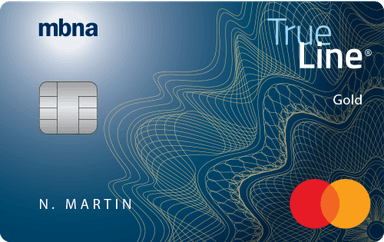
| MBNA True Line Mastercard | 0% | 12 months | 3% | $0 |
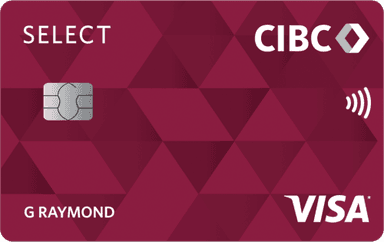
| CIBC Select Visa | 0% | 10 months | 1% | $29 (waived 2 years) |
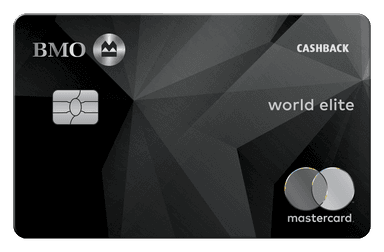
| BMO CashBack World Elite Mastercard | 0% | 12 months | 2% | $139 (waived first year) |
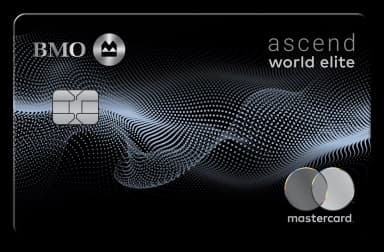
| BMO Ascend World Elite Mastercard | 0% | 12 months | 2% | $150 (waived first year) |
| Scotiabank Value Visa | 0.99% | 9 months | 2% | $29 (waived first year) |
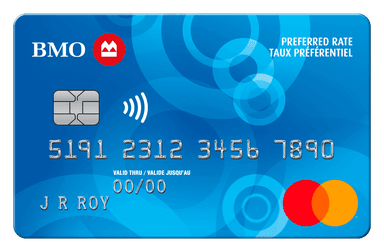
| BMO Preferred Rate Mastercard | 0.99% | 9 months | 2% | $29 (waived first year) |
Rates and terms may vary by financial institution. These offers apply to balance transfers completed within 60 to 90 days of account opening, depending on the issuer.
Selecting the optimal balance transfer card requires evaluating several factors beyond just the promotional interest rate. Consider these key elements when comparing offers.
Your choice should align with your repayment timeline. If you can pay off your debt within 10 months, the CIBC Select Visa offers the lowest transfer fee at 1%. If you need the full 12 months, the MBNA True Line Mastercard provides the longest interest-free period despite the higher 3% fee.
Before applying, calculate whether a balance transfer makes financial sense for your situation. Compare the transfer fee against your potential interest savings.
For example, transferring a $5,000 balance from a 19.99% card to a 0% promotional card with a 3% fee costs $150 upfront. If you pay off the balance within 12 months, you avoid approximately $500 in interest charges, netting $350 in savings.
However, if you only pay the minimum monthly payment and carry a significant balance past the promotional period, you may not save as much as anticipated. The key is committing to a payment plan that eliminates the debt before the standard rate applies.
Understanding the transfer process helps you avoid common mistakes and ensures you receive the promotional rate. Here is how the process typically unfolds.
Unlike regular purchases, balance transfers do not qualify for an interest-free grace period. Your transferred balance begins accruing interest immediately, which is why securing a 0% promotional rate matters significantly.
Financial institutions impose specific rules on balance transfers. Understanding these restrictions helps you plan accordingly.
Most issuers do not allow you to transfer balances between cards from the same institution. For example, you cannot transfer a balance from one CIBC card to another CIBC card.
Some cards limit the transfer amount to a percentage of your approved credit limit. The CIBC Select Visa, for instance, caps transfers at 50% of your assigned limit. If approved for a $10,000 limit, you could transfer a maximum of $5,000.
Minimum transfer amounts also apply. The CIBC Select Visa requires transfers of at least $100 to qualify for the promotional rate. Smaller amounts are subject to the standard cash advance rate.
Balance transfer cards offer clear advantages for debt reduction, but they also come with limitations you should consider before applying.
To qualify for competitive balance transfer offers, your current credit accounts must be in good standing. Issuers evaluate several factors when reviewing applications.
A strong credit score improves your approval odds and may influence your credit limit. While specific score requirements vary by issuer, most competitive offers target consumers with good to excellent credit.
Minimum income requirements apply to certain cards, particularly premium products like World Elite Mastercards. The BMO CashBack World Elite Mastercard and BMO Ascend World Elite Mastercard require higher household income thresholds than standard cards.
Your existing relationship with the issuer may also matter. If you already hold a card with an institution, you typically cannot transfer a balance from that card to another card from the same issuer.
If you do not qualify for a balance transfer card or prefer a different approach, consider a line of credit as an alternative. Lines of credit typically offer lower interest rates than credit cards, though usually not as low as 0% promotional offers.
Unlike credit cards, lines of credit charge interest immediately on borrowed amounts rather than after a grace period. Rates are generally tied to the bank’s prime lending rate and may fluctuate over time.
You might also explore other credit card options that better match your spending patterns and financial goals, particularly if rewards or other benefits matter to you beyond debt consolidation.
Balance transfer credit cards provide a practical tool for Canadians looking to reduce high-interest credit card debt. With promotional rates as low as 0% for up to 12 months, these cards can save you hundreds of dollars in interest charges when used strategically.
The MBNA True Line Mastercard currently offers the longest promotional period at 12 months with no annual fee, though its 3% transfer fee is higher than some competitors. The CIBC Select Visa provides the lowest transfer fee at 1% with a 10-month promotional period and a two-year annual fee rebate.
Success depends on creating a realistic repayment plan that eliminates your balance before the promotional period ends. Calculate your required monthly payment by dividing your transferred balance plus fees by the number of promotional months available. Make this payment consistently to avoid carrying a balance into the high-interest period.
Before applying, compare your options using our credit card comparison tool and ensure you understand all fees, limits, and terms. Stay informed about the latest offers and financial strategies by signing up for our newsletter.
Looking for more options? Our complete ranking of the best credit cards in Canada includes cards for every financial situation.
Balance transfer fees in Canada typically range from 1% to 3% of the transferred amount. The CIBC Select Visa charges 1%, while the MBNA True Line Mastercard charges 3%. Some cards charge a minimum fee of $5 or $10 if the percentage calculation results in a lower amount.
The MBNA True Line Mastercard and certain BMO cards currently offer 0% interest for 12 months on balance transfers, representing the longest promotional period available in the Canadian market as of August 2026. The CIBC Select Visa offers 10 months at 0%.
No major Canadian credit card currently offers balance transfers without any fee. All promotional balance transfer offers include a fee ranging from 1% to 3%. The CIBC Select Visa has the lowest fee at 1%, though this fee does not apply to Quebec residents under current terms.
After the promotional period, balance transfer cards typically revert to standard interest rates ranging from 13.99% to 19.99% on any remaining balance. The CIBC Select Visa charges 13.99%, while the MBNA True Line Mastercard charges 17.99% after the promotional period.
Most competitive balance transfer offers require good to excellent credit. While issuers do not publish specific score requirements, you typically need a credit score in the good range and accounts in good standing. Premium cards like World Elite Mastercards also require minimum household income thresholds.
Most balance transfers complete within 30 business days, though some take longer depending on the issuer. You should continue making minimum payments on your old card until you receive confirmation that the transfer is complete to avoid late payment fees or penalties.
No, Canadian financial institutions generally do not allow balance transfers between their own cards. You must transfer from a card issued by a different institution. For example, you cannot transfer a balance from one TD card to another TD card.
Applying for a new balance transfer card generates a hard inquiry on your credit report, which may temporarily lower your score by a few points. However, the transfer itself does not directly harm your score. Successfully paying down debt can improve your credit utilization ratio, potentially benefiting your score over time.
Read next

Our reviews and rankings are based on an objective assessment. Advertisers do not influence our content. We may receive compensation through some links; our analysis and opinions remain independent.