
Best Rewards Credit Cards in Canada

Loading article…
Maximize every dollar with Canada’s top rewards credit cards
Choosing the right rewards credit card can put hundreds of dollars back in your pocket each year. Whether you prefer cash back, travel points, or flexible rewards, Canadian cardholders have access to competitive options across all categories.
The best rewards credit cards align with how you actually spend. A card offering 5x points on dining won’t help if you rarely eat out, just as travel perks lose value if you seldom fly. Understanding your spending habits is the first step toward maximizing rewards.
| Credit card | Annual fee | Welcome offer | |
|---|---|---|---|
| $191.88 | |||
| $0 | |||
| $120 | |||
| $0 | |||
| $0 | |||
| $0 | |||
| $150 | |||
| $799 |
Several cards consistently rank among Canada’s best for rewards. These options balance strong earn rates, valuable perks, and reasonable fees.
| Card | Best For | Top Earn Rate | Annual Fee |
|---|---|---|---|
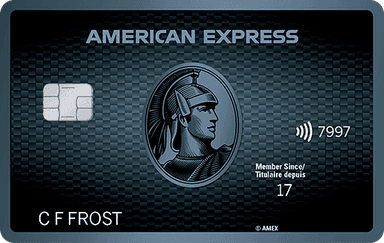
| American Express Cobalt | Groceries & dining | 5x points | $191.88 |
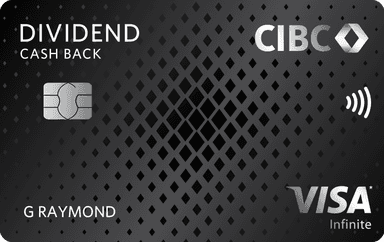
| CIBC Dividend Visa Infinite | Cash back on essentials | 4% groceries/gas | $120 |
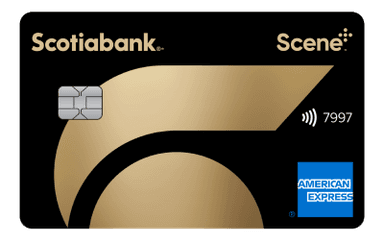
| Scotiabank Gold Amex | Scene+ points | 6x groceries | $120 |
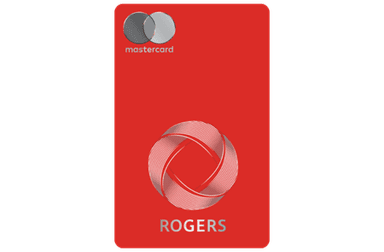
| Rogers Red World Elite | No-fee cash back | 1.5% everything | $0 |
| TD First Class Travel Visa | Travel flexibility | 8x travel | $139 |
Rates and terms may vary by financial institution. Welcome offers change regularly, so checking current promotions could add significant value to your application.
The Cobalt Card earns up to 5 points per dollar on eligible eats and drinks in Canada, including groceries and food delivery. This applies to most grocery stores, restaurants, and delivery services.
Membership Rewards points transfer to programs like Aeroplan at favourable ratios. You can also redeem points for travel through American Express Travel or apply them as statement credits.
This card delivers 4% cash back on both groceries and gas—two categories that represent major household expenses. All other purchases earn 1% back, providing a baseline return on everything.
Cash back appears as a statement credit annually. For families spending $500 monthly on groceries and $200 on gas, that’s $336 back per year before accounting for other purchases.
The choice between cash back and points programs depends on your preferences and redemption goals. Each type offers distinct advantages.
Cash back provides straightforward value. You earn a percentage on purchases, receive it as statement credit or direct deposit, and there’s no need to navigate redemption charts or transfer ratios.
Points programs can deliver higher returns when redeemed strategically. Travel rewards cards often provide the strongest value for frequent travellers who can leverage premium redemptions.
Programs like Aeroplan, Scene+, and American Express Membership Rewards offer multiple redemption paths. Premium redemptions—such as business class flights or luxury hotel stays—can yield value well above one cent per point.
Annual fees range from $0 to over $600 among rewards cards. Whether a fee makes sense depends on the value you’ll extract from rewards and benefits.
Calculate your break-even point by comparing the annual fee against expected rewards earnings. If you spend $15,000 annually and a card offers 2% cash back with a $120 fee, you’ll earn $300 in rewards—a net gain of $180.
| Fee Tier | Typical Range | Common Perks |
|---|---|---|
| No fee | $0 | Basic rewards, limited insurance |
| Mid-tier | $120–$150 | Enhanced earn rates, travel insurance, lounge access |
| Premium | $399–$599 | Highest earn rates, premium travel benefits, concierge service |
Many premium cards waive the first-year fee, letting you test the card’s value before committing long-term. This can be an excellent way to evaluate whether the benefits justify the ongoing cost.
The best rewards cards typically require good to excellent credit. Understanding credit score ranges helps you identify which cards you’re likely to qualify for.
Canadian credit scores range from 300 to 900. Most premium rewards cards target applicants with scores above 660, while the most competitive offers often require 720 or higher.
| Card Tier | Typical Score Range | Examples |
|---|---|---|
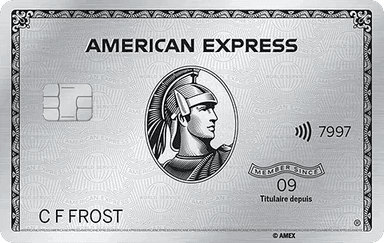
| Premium rewards | 760+ | Amex Platinum, Amex Cobalt |
| Mid-tier rewards | 660–759 | CIBC Dividend, Scotia Momentum |
| Entry-level rewards | 600–659 | No-fee cash back cards |
Your income also factors into approval decisions. World Elite Mastercard products typically require personal income of $80,000 or household income of $150,000. Visa Infinite cards have similar thresholds at $60,000 personal or $100,000 household.
Selecting the right rewards card requires matching card features to your spending patterns and financial goals. Start by reviewing your monthly expenses across key categories.
Review three to six months of bank and credit card statements. Identify which categories represent your largest expenses—groceries, dining, gas, travel, or general purchases.
If groceries and dining account for $1,500 monthly, a card offering 5x points in those categories will accumulate rewards faster than a flat-rate card. Conversely, if your spending spreads evenly across categories, a simple cash back card might serve you better.
Think about how you want to use rewards. Frequent travellers might prioritize points that transfer to airline programs, while others may prefer the simplicity of cash back statement credits.
Recent card offerings emphasize category flexibility and digital integration. Some programs now let you customize bonus categories quarterly, while others automatically apply the highest earn rate to eligible purchases.
Digital wallet integration has become standard, with most cards offering contactless payment and mobile app management. Enhanced security features like virtual card numbers for online shopping are increasingly common across premium offerings.
The best rewards credit card in Canada aligns with your spending habits and redemption preferences. The American Express Cobalt Card leads for grocery and dining spending, while the Rogers Red World Elite offers solid no-fee cash back. Families focused on essentials should consider the CIBC Dividend Visa Infinite for its 4% return on groceries and gas.
Before applying, review your monthly spending patterns and calculate potential rewards earnings. Ensure your credit score meets the card’s requirements and that you can comfortably meet any minimum spending thresholds for welcome bonuses. The right card can return hundreds of dollars annually while providing valuable insurance and perks.
Stay informed about the latest credit card offers and financial strategies by signing up for our newsletter. We deliver expert analysis and exclusive deals directly to your inbox.
For a broader look at all your options, explore our guide to the best credit cards in Canada and find the card that matches your lifestyle.
The American Express Cobalt Card is widely considered the best rewards credit card in Canada due to its 5x points on groceries and dining, flexible Membership Rewards points, and strong redemption options. However, the best card for you depends on your spending patterns and whether you prefer cash back or travel points.
Premium rewards cards typically require a credit score of 660 or higher, with the most competitive offers targeting scores above 720. Cards like the American Express Cobalt and CIBC Dividend Visa Infinite generally expect excellent credit (760+) for approval.
Annual fees are worth paying if your rewards earnings and benefits exceed the fee cost. Calculate your expected annual rewards based on spending patterns, then subtract the annual fee. Many cardholders find that mid-tier fees ($120–$150) pay for themselves through enhanced earn rates and travel insurance benefits.
Cash back offers simplicity and guaranteed value, making it ideal for those who want straightforward rewards. Points programs can deliver higher value through strategic redemptions, particularly for travel. Choose cash back if you prefer simplicity, or points if you’re willing to optimize redemptions for maximum value.
Welcome bonuses vary by card and promotion timing. As of March 2026, top offers include the TD First Class Travel Visa Infinite (up to 165,000 points), Scotiabank Passport® Visa Infinite +* Card (up to 60,000 Scene+ points), and various American Express cards offering between 15,000 and 100,000 points depending on the product.
Yes, many Canadians hold multiple rewards cards to maximize returns across different spending categories. You might use one card for groceries and dining, another for travel, and a no-fee option for other purchases. Just ensure you can manage multiple payments and avoid overspending to chase rewards.
Read next

Our reviews and rankings are based on an objective assessment. Advertisers do not influence our content. We may receive compensation through some links; our analysis and opinions remain independent.