
Best Student Credit Cards in Canada

Finding the best student credit cards Canada offers can help you build credit history while earning rewards on everyday purchases. Whether you’re managing tuition expenses, buying groceries, or covering textbooks, the right student card combines no annual fees with cash back or points. This guide compares top options available to Canadian students in 2026.
Once your credit history builds, the natural next step is one of our best cash back credit cards, several of which waive their first-year fee.
Start building your financial future with cards designed for your student budget and lifestyle.
What Makes a Great Student Card
Student credit cards are designed specifically for post-secondary students who may have limited credit history or income. These cards typically feature relaxed approval requirements and educational tools to help young Canadians establish responsible credit habits.
The strongest cards balance accessibility with value. You want a card that approves applications without extensive income documentation while delivering rewards that matter to student spending patterns. Many top issuers waive annual fees entirely for student versions of popular cards.
- No annual fee: Student budgets can’t absorb unnecessary costs, making fee-free cards essential
- Low income requirements: Many student cards require no minimum income or accept part-time earnings
- Practical rewards: Cash back on groceries, dining, and transit aligns with student spending
- Credit-building tools: Access to credit scores and educational resources supports financial literacy
Most student cards require enrollment at a recognized Canadian post-secondary institution and an age between 18 and 24. International students may face additional documentation requirements, though many major issuers now accommodate non-permanent residents.
Top Student Cards in Canada
| Credit card | Annual fee | Welcome offer | |
|---|---|---|---|
| $0 | |||
| $0 | |||
| $0 | |||
| $0 | |||
| $25 | |||
| $48 |
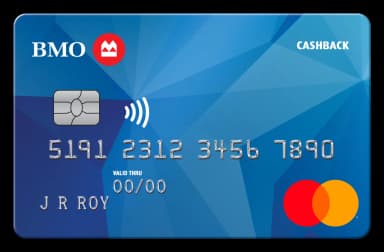
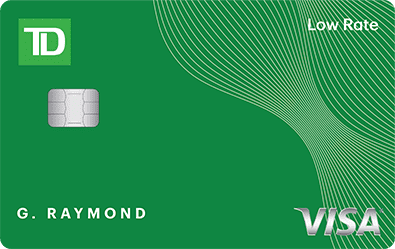
Several Canadian financial institutions offer dedicated student credit cards with competitive features. The cards below represent the strongest options based on fees, rewards, and accessibility. Rates and terms may vary by financial institution.
| Card | Annual Fee | Rewards Rate | Welcome Offer | Interest Rate |
|---|---|---|---|---|
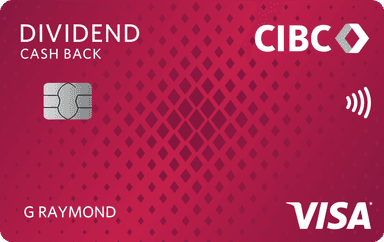
| CIBC Dividend Visa for Students | $0 | 2% groceries, 1% gas/dining, 0.5% other | Up to $150 | 21.99% |
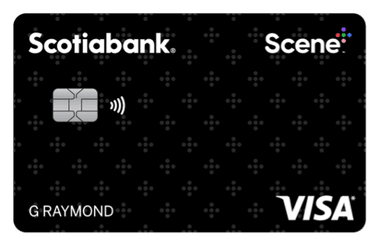
| Scotiabank Scene+ Visa | $0 | 2 points per $1 at partners, 1 point other | Up to $100 | 21.99% |
| BMO CashBack Mastercard for Students | $0 | Up to 5% intro rate, then tiered | 5% first 3 months | 21.99% |
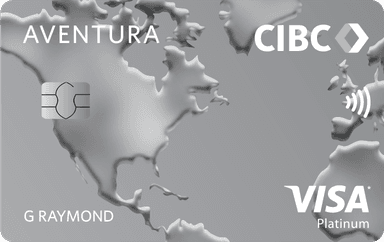
| CIBC Aventura Visa for Students | $0 | 1 point per $1 travel/groceries/gas | Up to 10,000 points | 21.99% |
| Neo Mastercard | $0 | Up to 4% gas/groceries, 1% other | Varies | 19.99% – 29.99% |
Best for Cash Back
The CIBC Dividend Visa Card for Students delivers straightforward cash back across categories students use most. You earn 2% on groceries, 1% on gas, electric vehicle charging, transit, dining, and recurring payments, plus 0.5% on everything else.
This card includes a free SPC membership, offering discounts at over 450 retailers. The welcome offer provides up to $150 in cash back for new cardholders who meet spending requirements. With no annual fee and no income requirements, it’s accessible to most students.
Best for Entertainment
The Scotiabank Scene+ Visa card rewards students who frequent Cineplex theatres and participating grocery stores. You earn 2 Scene+ points per dollar at Sobeys, Safeway, IGA, Foodland, FreshCo, Thrifty Foods, Cineplex, and select partners, with 1 point per dollar elsewhere.
Scene+ points redeem for movies, dining, travel, and merchandise. The card charges no annual fee and requires $12,000 in annual income. Students receive discounts on AVIS and Budget car rentals across Canada and the United States.
Best for Travel Points
CIBC Aventura Visa Card for Students suits students planning to travel. You earn 1 point per dollar at gas stations, grocery stores, and drugstores, plus 1 point per dollar on travel booked through CIBC Rewards Centre. All other purchases earn 1 point per $2 spent.
Aventura points never expire and cover flights with any airline, including taxes and fees. The welcome offer grants up to 10,000 points for new cardholders. The card includes purchase security insurance and a free SPC membership.
Alternative Options
The Neo Mastercard offers instant approval with no income or credit score requirements. Students can earn up to 4% cash back on gas and groceries when paired with a Neo Everyday account, plus up to 15% back at over 10,000 partner retailers.
KOHO prepaid cards provide an alternative for students who prefer budget control without traditional credit. The KOHO Essential plan charges $0 monthly when you set up direct deposit or add $1,000 per month. You earn 1% cash back on groceries, food and drink, and transportation, plus 2% interest on savings.
How to Choose Your First Card
Selecting your first credit card requires evaluating your spending patterns and financial goals. Consider where you spend most frequently and which reward structure delivers the greatest return on those purchases.
- Match rewards to spending: Choose cash back if you prefer simplicity, points if you plan to travel or want flexibility
- Verify eligibility: Confirm you meet age, enrollment, and income requirements before applying
- Compare welcome offers: Introductory bonuses can deliver $100-$150 in value within your first few months
- Check additional perks: Free SPC memberships, mobile device insurance, and purchase protection add value
- Review interest rates: While you should pay balances in full, lower rates provide safety if emergencies arise
If you carry balances occasionally, consider the TD Low Rate Visa Credit Card with its 12.90% interest rate and $25 annual fee. This option suits students who prioritize interest savings over rewards. For a comprehensive comparison of options, visit our best credit cards guide.
Building Credit as a Student
Your student credit card serves as a foundation for your credit history. Responsible use during your post-secondary years establishes patterns that influence future mortgage, auto loan, and premium credit card approvals.
Payment history accounts for the largest portion of your credit score. Making at least minimum payments before due dates each month builds positive credit records. Setting up automatic payments from your chequing account prevents missed payments.
- Pay on time, every time: Payment history represents 35% of your credit score calculation
- Keep balances low: Credit utilization below 30% of your limit demonstrates responsible borrowing
- Monitor your credit score: Many issuers provide free credit score access through mobile apps
- Avoid cash advances: These transactions carry higher interest rates and fees without grace periods
- Request limit increases: After 6-12 months of on-time payments, higher limits improve utilization ratios
Credit building takes time. Most students see established credit scores after six months of reported activity. After graduation, your positive student card history supports applications for premium cards with higher earning rates and valuable travel benefits.
Common Mistakes to Avoid
- Carrying balances month to month: Interest charges at 20%+ quickly negate any rewards earned
- Making only minimum payments: This extends repayment timelines and increases total interest paid
- Applying for multiple cards simultaneously: Each application creates a hard inquiry that temporarily lowers your score
- Maxing out your credit limit: High utilization signals financial stress to lenders
- Closing your first card after graduation: This reduces your average account age and total available credit
Bottom Line
Student credit cards provide Canadian post-secondary students with accessible tools to build credit while earning rewards on everyday spending. The best options eliminate annual fees, require minimal income documentation, and deliver practical benefits aligned with student lifestyles.
The CIBC Dividend Visa for Students and Scotiabank Scene+ Visa lead the category with strong earning rates and valuable partnerships. For students prioritizing travel flexibility, the CIBC Aventura Visa offers points that never expire. Those seeking maximum accessibility should consider the Neo Mastercard with its instant approval process.
Remember to pay balances in full each month and monitor your credit score regularly. Your student card represents the foundation of your financial future. Choose one that matches your spending patterns and use it responsibly. Stay informed about the latest card offers and financial strategies by signing up for our newsletter.
Looking for more options? Our complete ranking of the best credit cards in Canada includes cards for every financial situation.
Best Student Credit Cards Canada – FAQ
What is the best student credit card in Canada?
The CIBC Dividend Visa Card for Students ranks among the top options with 2% cash back on groceries, 1% on gas and dining, and no annual fee. The Scotiabank Scene+ Visa also excels for students who frequent Cineplex and participating grocery stores. Your best choice depends on your spending patterns and whether you prefer cash back or points.
Do student credit cards require income?
Income requirements vary by issuer. Some student cards like the CIBC Dividend and CIBC Aventura require no minimum income. Others like the Scotiabank Scene+ Visa require $12,000 annually. Many issuers accept part-time employment income, scholarships, or parental support. Neo Mastercard requires no income verification at all.
Can international students get credit cards in Canada?
Yes, international students can apply for Canadian credit cards. You typically need a valid study permit, proof of enrollment, and a Canadian address. Some issuers require a Canadian credit history or may offer secured card options. BMO and CIBC both offer student cards accessible to international students with proper documentation.
What interest rates do student credit cards charge?
Most student credit cards charge purchase interest rates between 19.99% and 23.99%. The CIBC cards typically charge 21.99% on purchases and 22.99% on cash advances. The TD Low Rate Visa offers 12.90% interest but charges a $25 annual fee. You should pay balances in full each month to avoid all interest charges.
How long does it take to build credit with a student card?
You can establish a credit score within six months of responsible card use. Making on-time payments and keeping balances below 30% of your limit builds positive credit history. After 12-24 months of consistent payment history, you typically qualify for premium cards with better rewards and benefits.
Should I get a cash back or points card as a student?
Cash back cards offer simplicity and immediate value on everyday purchases. Points cards provide flexibility for future travel or merchandise redemptions. If you spend heavily on groceries and gas, cash back cards like the CIBC Dividend deliver straightforward returns. If you plan to travel or want redemption options, points cards like the CIBC Aventura or Scotiabank Scene+ offer greater versatility.
Do student credit cards have annual fees?
Most student credit cards in Canada charge no annual fees. The CIBC Dividend, CIBC Aventura, Scotiabank Scene+, BMO CashBack, and Neo Mastercard all maintain $0 annual fees. The TD Low Rate Visa charges $25 annually but offers a significantly lower interest rate. Always verify current fee schedules before applying.
Can I upgrade my student card after graduation?
Yes, most issuers allow you to upgrade to regular versions of credit cards after graduation. Your positive payment history with a student card often simplifies approval for premium cards. Contact your issuer 3-6 months before graduation to discuss upgrade options. Keeping your first card open maintains your credit history length, which benefits your score.
Read next




Our editorial integrity
Our reviews and rankings are based on an objective assessment. Advertisers do not influence our content. We may receive compensation through some links; our analysis and opinions remain independent.