

Rewards Programs Explained

Turn everyday spending into tangible value with Canadian loyalty programs, if you know how they work.
Ratesopedia’s Take: Rewards programs in Canada have evolved from simple points-for-flights models into sophisticated multi-partner ecosystems that can deliver real value across groceries, fuel, travel, and entertainment. Understanding the mechanics, earning structures, redemption options, and tier benefits, helps both individuals and businesses extract maximum value from spending they’re already doing. The key is matching the right program to your actual spending patterns, not chasing headline bonuses that don’t align with your lifestyle.
Canadian loyalty programs represent a $4 billion+ industry serving millions of active members nationwide. From coalition programs like Aeroplan and PC Optimum to single-brand systems like Tim Hortons Rewards, these platforms reward customer loyalty through points, miles, or cashback that can be redeemed for products, services, and experiences. Pairing the right card with these programs is what accelerates earning , compare the best credit cards in Canada.
The landscape has shifted dramatically in recent years. What started as basic frequent-flyer programs in the 1980s has transformed into integrated digital ecosystems that track purchases across multiple retailers, offer personalized promotions, and enable instant redemptions at checkout. For consumers and businesses alike, understanding how these systems work, and where they deliver genuine value versus marketing noise, is essential for making informed financial decisions.
What Are Rewards Programs?
A rewards program is a structured marketing system designed to encourage repeat business by offering customers tangible benefits for their continued patronage. In exchange for sharing purchase data and maintaining loyalty to specific brands or retail networks, participants earn credits, typically called points, miles, or cashback, that can be converted into goods, services, discounts, or experiences.
These programs serve dual purposes. For businesses, they increase customer retention, provide valuable purchasing data, and create barriers to switching competitors. For consumers, they offer a method to extract additional value from spending that would happen regardless, effectively reducing the net cost of purchases or funding discretionary expenses like travel.
The fundamental value proposition is straightforward: spend money where the program operates, accumulate credits at predetermined rates, then redeem those credits when you’ve reached minimum thresholds. However, the actual mechanics, earning rates, redemption values, expiry policies, and tier structures, vary significantly across programs and can dramatically affect real-world value delivered to participants.
Types of Rewards Programs
Canadian loyalty programs generally fall into several distinct categories, each with different earning mechanisms, redemption options, and strategic considerations.
Points-Based Programs
Points programs award credits based on spending volume, with redemption values determined by conversion rates set by the program operator. Examples include Aeroplan, where members earn points on Air Canada flights and partner purchases, then redeem for travel, merchandise, or gift cards. The value per point varies significantly by redemption method, Aeroplan points might deliver 2 cents per point value on premium cabin flights but only 0.7 cents per point on gift cards.
American Express Membership Rewards and RBC Avion Rewards operate similarly, offering flexible point currencies that can be transferred to airline partners or redeemed directly through proprietary booking platforms. Rates and terms may vary by financial institution.
Cashback Programs
Cashback programs return a percentage of spending as statement credits or direct deposits. These programs offer simplicity, there are no redemption charts to decipher or optimal transfer ratios to calculate. Programs like the Rogers Red World Elite Mastercard provide flat-rate cashback (1.5% on all purchases) or category-based rates (4% on groceries with certain cards).
The trade-off is typically lower maximum value potential compared to points programs where strategic redemptions can yield outsized returns. However, cashback eliminates redemption complexity and point devaluation risk.
Coalition Programs
Coalition loyalty programs allow members to earn and redeem credits across multiple unrelated businesses. PC Optimum operates across Loblaw-owned grocery stores, Shoppers Drug Mart, Esso gas stations, and other partners. Triangle Rewards links Canadian Tire, Sport Chek, Mark’s, and participating gas stations. Air Miles partners with numerous grocery chains, pharmacies, and retailers.
These programs offer broader earning opportunities than single-brand systems but typically deliver lower per-transaction value than premium credit card programs. They work best for consumers who frequently shop within the coalition network.
Paid Membership Programs
Some programs require upfront membership fees in exchange for enhanced benefits. Examples include Amazon Prime and Costco memberships, which provide free shipping, exclusive discounts, and other perks. In Canada, programs like PC Insiders offer paid tiers with elevated earning rates and exclusive offers for members who spend enough to justify the annual fee.
Major Canadian Programs
| Credit card | Annual fee | Welcome offer | |
|---|---|---|---|
| $120 | |||
| $0 | |||
| $0 | |||
| $120 | |||
| $120 | |||
| $0 |
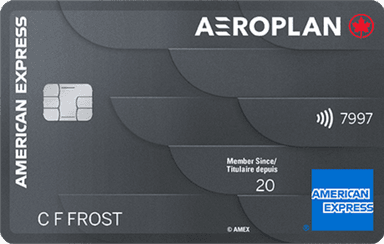


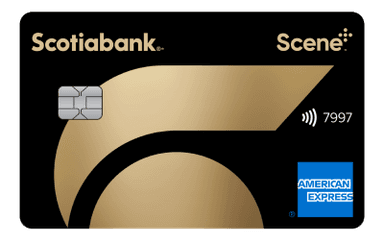
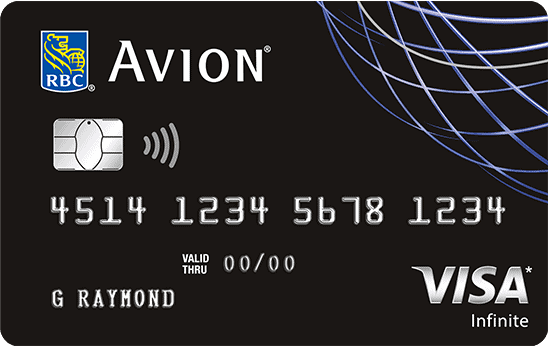
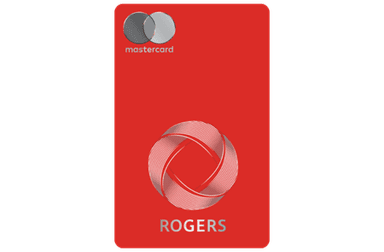
Understanding the largest programs in the Canadian market helps consumers identify which systems align with their spending patterns.
| Program | Type | Primary Partners | Best For |
|---|---|---|---|
| Aeroplan | Travel Points | Air Canada, Star Alliance | Frequent flyers, premium travel |
| PC Optimum | Coalition Points | Loblaw, Shoppers, Esso | Groceries, pharmacy, fuel |
| Triangle Rewards | Coalition Points | Canadian Tire, Sport Chek, Mark’s | Retail, automotive, sporting goods |
| Scene+ | Coalition Points | Scotiabank, Cineplex, Sobeys | Banking, groceries, entertainment |
| Air Miles | Coalition Points | Multiple grocery, retail partners | Flexible redemption options |
Aeroplan
Launched in 1984 and reacquired by Air Canada in 2019, Aeroplan serves over 8 million active members and operates as Canada’s largest travel rewards coalition. Members earn points through Air Canada flights, credit card spending, and purchases at retail partners including Starbucks, Uber, and participating gas stations.
Points can be redeemed for flights on Air Canada and Star Alliance partners, hotel stays, car rentals, merchandise, and gift cards. The program operates as a multi-industry ecosystem with consistent identity management, preference tracking, and partner expansion capabilities. Rates and terms may vary by financial institution.
PC Optimum
PC Optimum ranks among Canada’s largest loyalty programs, enabling members to earn points on everyday spending at Loblaw-owned grocery stores (including No Frills, Real Canadian Superstore, and Independent), Shoppers Drug Mart pharmacies, and Esso and Mobil gas stations. The program offers free enrollment, with accelerated earning available through PC Mastercard products.
Points are typically redeemed at checkout for immediate discounts on purchases. The redemption rate is 10,000 points for $10, or 1,000 points per dollar, though promotional offers can enhance value significantly.
Triangle Rewards
The Triangle Rewards program allows members to collect CT Money at Canadian Tire-branded stores including Canadian Tire, Mark’s, Sport Chek, and participating gas stations. Membership is free, with enhanced earning through Triangle-branded credit cards. When redeemed, $1 in CT Money equals $1 toward purchases at participating locations.
The program recently expanded to include earning at Petro-Canada locations, with members able to earn up to 3¢ per litre in CT Money when paying with cash or debit, or 5¢ per litre when using a Triangle credit card.
How Points and Tiers Work
Most rewards programs operate on two parallel systems: earning structures that determine how quickly you accumulate credits, and tier structures that unlock additional benefits as your engagement increases.
Earning Mechanisms
Earning rates vary significantly by program, partner, and payment method. Understanding these differences is crucial for maximizing value.
- Base earning rates: The standard points-per-dollar ratio for general spending, typically ranging from 1 to 5 points per dollar depending on the program.
- Category bonuses: Enhanced earning on specific spending categories like groceries, fuel, or dining, often delivering 2x to 5x the base rate.
- Promotional multipliers: Temporary offers that boost earning rates for limited periods, such as 10x or 20x points events at Triangle Rewards partners.
- Credit card acceleration: Using a co-branded credit card typically increases earning rates compared to simply presenting a loyalty card at checkout.
For example, Scene+ members earn points when paying with a Scotiabank credit card at participating grocery stores, with earning rates varying by card tier and merchant category. Rates and terms may vary by financial institution.
Tier Systems
Many programs implement tiered membership structures that reward high-volume participants with enhanced benefits. These tiers typically require reaching specific spending or activity thresholds within a calendar year.
Common tier benefits include accelerated earning rates, priority customer service, exclusive promotional access, bonus point multipliers, and waived fees. Hotel programs like Marriott Bonvoy operate extensive tier systems (Member, Silver Elite, Gold Elite, Platinum Elite, Titanium Elite, Ambassador Elite) with progressively valuable benefits including room upgrades, late checkout, and bonus points on stays.
Airline programs structure tiers similarly, with qualification based on dollars spent or segments flown. Higher tiers unlock priority boarding, complimentary upgrades, bonus miles, and lounge access.
Maximizing Rewards Value
Strategic participation in loyalty programs can deliver meaningful value, but requires understanding several key optimization principles.
Program Selection
Choose programs that align with your existing spending patterns rather than adjusting spending to chase rewards. If you rarely fly, an airline program offers limited value regardless of earn rates. If you shop primarily at Metro, focusing on PC Optimum (which operates at competitors like Loblaws) creates friction without benefit.
Evaluate where you currently spend across categories: groceries, fuel, dining, travel, retail. Then identify which programs operate in those channels with the most favorable earning and redemption structures for your needs.
Stacking Strategies
Many programs allow “stacking” multiple offers to maximize earning on single transactions. Triangle Rewards explicitly promotes this approach, showing how combining base earning, credit card bonuses, and promotional multipliers can generate significant returns.
Redemption Optimization
Points are only valuable when redeemed, and redemption value varies dramatically by option. Travel programs typically deliver highest value when redeeming for premium cabin flights or transferring to airline partners. Redeeming the same points for merchandise or gift cards often yields 30-50% less value.
- Calculate redemption value: Divide the dollar value received by points spent to determine cents-per-point value, then compare across redemption options.
- Watch for redemption bonuses: Programs periodically offer enhanced redemption rates, such as 25% bonus value when converting points to specific partners.
- Avoid low-value redemptions: Statement credits and merchandise typically deliver poor value compared to travel or transfer options in points programs.
- Monitor expiry policies: Some programs expire points after periods of inactivity, requiring occasional earning or redemption activity to maintain balances.
Common Challenges
While rewards programs can deliver value, participants frequently encounter friction points that reduce effectiveness or create frustration.
- Program complexity: Understanding earning rates, tier requirements, transfer ratios, and optimal redemption strategies requires significant research and ongoing attention.
- Devaluation risk: Programs can reduce redemption value or increase redemption costs unilaterally, eroding the value of accumulated points.
- Minimum redemption thresholds: Some programs require accumulating substantial balances before any redemption is possible, creating long time horizons before value realization.
- Restricted availability: Travel programs often limit award seat availability, making it difficult to redeem points for desired flights or hotels during peak periods.
- Data privacy concerns: Participation requires sharing detailed purchase data with program operators and partners, raising privacy considerations for some consumers.
Additionally, the psychological pull of rewards programs can encourage unnecessary spending to reach tier thresholds or earn promotional bonuses. If you spend $500 you wouldn’t have spent otherwise to earn 10,000 bonus points worth $100, you’ve lost $400 in net terms. Before pursuing any reward opportunity, evaluate whether the spending serves an actual need or represents manufactured demand driven by program incentives.
Emerging Trends
Canadian rewards programs continue evolving to address consumer expectations and technological capabilities. Recent developments include increased personalization through AI-driven offer targeting, mobile-first experiences with app-based point tracking and instant redemption, gamification elements including challenges and achievement badges, and sustainability-focused redemption options.
Coalition programs are expanding partner networks to increase earning opportunities, while premium programs are enhancing experiential redemptions beyond traditional travel and merchandise. The integration of loyalty programs with broader financial ecosystems, linking banking, credit cards, and investment products, represents a significant strategic direction for major financial institutions.
Bottom Line
Canadian rewards programs can deliver meaningful value when matched to your actual spending patterns and used strategically. The most successful approach involves selecting one or two programs aligned with your largest spending categories, understanding their earning and redemption mechanics, and optimizing within those systems rather than fragmenting effort across numerous programs. Focus on programs where you’ll naturally accumulate significant balances through regular spending, then research optimal redemption strategies to maximize value extraction.
Avoid the temptation to increase spending solely to earn rewards or reach tier thresholds, the best rewards program is one that enhances value from purchases you’d make regardless. Before committing to any program, review terms carefully including expiry policies, redemption restrictions, and the program operator’s history of devaluations. For businesses, evaluate corporate versions of consumer programs, which often offer enhanced earning rates and business-specific redemption options like equipment purchases or employee incentives.
FAQ
How do rewards programs make money?
Rewards programs generate revenue through multiple channels. Primarily, they increase customer retention and purchase frequency, driving higher lifetime value from participants. Programs collect valuable purchase data that informs inventory, pricing, and marketing decisions. Credit card programs earn interchange fees on transactions. Partner retailers pay to participate in coalition programs to access customer traffic. The economic model works because the incremental revenue from increased loyalty typically exceeds the cost of rewards provided.
Can rewards points expire in Canada?
Point expiry policies vary by program. Some programs like Aeroplan allow points to expire after periods of account inactivity (18 months with no earning or redemption activity). Others maintain points indefinitely as long as the account remains open. Credit card reward programs generally maintain points while the card account is active. Always review specific program terms to understand expiry rules and ensure you maintain account activity if required to preserve balances.
What’s better: points or cashback?
Neither option is universally superior, the better choice depends on your preferences and usage patterns. Cashback programs offer simplicity and guaranteed value with no redemption complexity or devaluation risk. Points programs can deliver higher maximum value through strategic redemptions (particularly for premium travel) but require more research and active management. If you value simplicity and predictability, cashback is likely preferable. If you’re willing to research optimal redemptions and primarily redeem for travel, points programs may deliver superior returns.
How many loyalty programs should I join?
Focus on one or two programs where you’ll accumulate meaningful balances through regular spending rather than fragmenting across many programs. Joining multiple programs in the same category (multiple grocery programs, multiple airline programs) typically dilutes earning and extends the time required to reach redemption thresholds. The exception is coalition programs that operate in non-overlapping retail networks, participating in both PC Optimum and Triangle Rewards makes sense if you shop at both ecosystems regularly.
Are premium rewards credit cards worth annual fees?
Premium cards justify annual fees when the value of rewards earned plus ancillary benefits (insurance, lounge access, travel credits) exceeds the fee cost. Calculate your expected annual earning based on typical spending patterns, assign realistic redemption values to those points, and add the dollar value of benefits you’ll actually use. If this total exceeds the annual fee, the card delivers net positive value. However, rates and terms may vary by financial institution, so compare multiple options before committing.
Read next




Our editorial integrity
Our reviews and rankings are based on an objective assessment. Advertisers do not influence our content. We may receive compensation through some links; our analysis and opinions remain independent.