
Best Credit Cards for Bad Credit in Canada

Loading article…
Finding a credit card when you have bad credit can feel like a closed door. But in Canada, secured credit cards and guaranteed-approval options offer a clear path forward. These products help you rebuild your credit score while giving you access to everyday payment tools.
Your credit isn’t permanent. With the right card and responsible use, you can move from poor credit to fair or good within 12 to 24 months.
Credit scores in Canada range from 300 to 900. Equifax Canada considers scores below 560 to be poor. TransUnion Canada sets the threshold slightly higher, at 600 or below.
If your score falls in this range, traditional unsecured credit cards become difficult to access. Most major banks set approval thresholds around 640 to 660 for standard products.
Bad credit typically results from missed payments, high credit utilization, collections accounts, or bankruptcy. It can also happen if you’re new to Canada and have no credit history on file.
| Credit Score Range | Equifax Category | TransUnion Category | Card Access |
|---|---|---|---|
| 300–559 | Poor | Poor | Secured cards |
| 560–659 | Fair | Fair | Some unsecured options |
| 660–724 | Good | Good | Most standard cards |
| 725+ | Very Good to Excellent | Very Good to Excellent | Premium cards |
The good news: negative information doesn’t stay on your report forever. Most items remain for six to seven years, depending on your province. But you don’t need to wait that long to start rebuilding.
| Credit card | Annual fee | Welcome offer | |
|---|---|---|---|
| $120 | |||
| $0 | |||
| $0 | |||
| $0 | |||
| $59 | |||
| $48 |
A secured credit card requires a refundable deposit. This deposit becomes your credit limit. If you deposit $500, you get a $500 limit.
You use the card like any other credit card. You make purchases, receive monthly statements, and make payments. The issuer reports your activity to Equifax and TransUnion.
After 12 to 24 months of on-time payments, most issuers will graduate you to an unsecured card and return your deposit. Check out the compare credit cards tool to review current secured options.
Some Canadian issuers offer cards designed specifically for people with poor credit or recent financial setbacks. These cards may have higher fees than secured options.
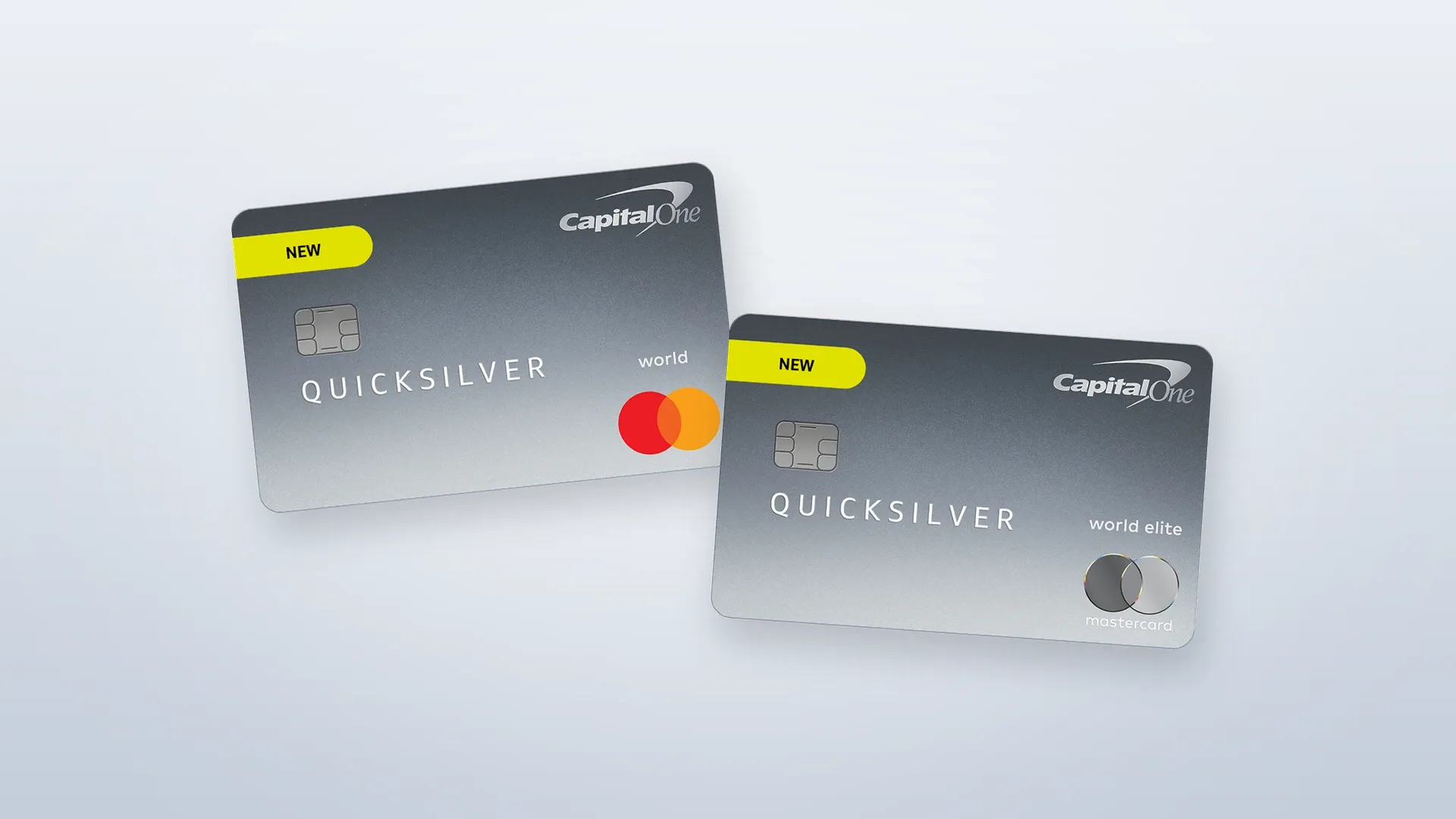
Capital One’s Guaranteed Secured Mastercard, for example, promises approval as long as you meet basic eligibility requirements. You must be the age of majority in your province and able to provide security funds.
Read the terms carefully. Avoid cards with excessive fees that eat into any benefit you’d receive. Rates and terms may vary by financial institution.
Prepaid cards aren’t credit cards. You load money onto the card and spend what you’ve added. Because you’re not borrowing, they won’t build credit on their own.
However, some prepaid products like KOHO offer optional credit-building programmes for a fee. These programmes report specific activities—like rent payments—to Equifax to help grow your credit score.
Before applying, pull your credit reports from Equifax and TransUnion. Review them for errors—incorrect balances, accounts that aren’t yours, or negative items that should have been removed.
Disputing and correcting errors can improve your score before you apply. This may give you access to better products with lower fees.
If you have unpaid collections accounts, consider settling them before applying for new credit. While paying a collection doesn’t immediately remove it from your report, a paid collection looks better than an unpaid one.
Getting approved for a card is the first step. Using it responsibly is what actually rebuilds your credit score.
Payment history makes up 35% of your credit score. This is the single largest factor. Pay at least the minimum by the due date every month.
Better yet, pay your balance in full. This avoids interest charges and demonstrates financial discipline. If you can’t pay in full, keep your balance below 30% of your credit limit.
A secured credit card used responsibly can move your score from poor to good within 18 to 24 months. The timeline depends on your starting point and how consistently you make on-time payments.
| Action | Impact on Score | Timeline |
|---|---|---|
| On-time payments | Positive, builds history | Reports monthly |
| Keeping utilization under 30% | Positive, shows control | Immediate |
| Multiple hard inquiries | Negative, reduces score | 2 years on report |
| Paying off collections | Neutral to slightly positive | Immediate to 6 months |
| Bankruptcy discharge | Major negative, but fades | 6-7 years |
Rebuilding credit requires patience. Many people sabotage their progress by making preventable mistakes in the early months.
If you’re struggling to make payments, contact your issuer before you miss a due date. Many Canadian banks offer hardship programmes that can adjust your payment schedule temporarily.
Bad credit in Canada is not a permanent condition. Secured credit cards from providers like Capital One, Neo, and Home Trust offer guaranteed approval with deposits as low as $50.
Use your card responsibly: pay on time, keep balances low, and avoid maxing out your limit. Within 12 to 24 months, you can move from poor credit to fair or good.
The key is consistency. Your payment history is the largest factor in your credit score. Make it work for you by treating your secured card as a rebuilding tool, not just a payment method.
Before choosing a card, compare your options using our best credit cards guide. Then commit to the fundamentals: small purchases, full monthly payments, and patience.
Want to stay on top of the best credit card offers and financial strategies? Sign up for our newsletter to get expert picks delivered to your inbox.
Looking for more options? Our complete ranking of the best credit cards in Canada includes cards for every financial situation.
Yes. Secured credit cards are designed for people with poor credit or no credit history. You provide a refundable deposit that becomes your credit limit, and the issuer reports your payments to Equifax and TransUnion. Guaranteed approval cards like the Capital One Secured Mastercard accept most applicants who meet basic eligibility requirements.
Equifax Canada considers scores below 560 to be poor. TransUnion Canada sets the threshold at 600 or below. Scores in the 560 to 659 range are considered fair, which may limit your access to traditional unsecured credit cards but still allow approval for some options.
Minimum deposits start at $50 with some providers like Neo Financial and the Secured Tims Mastercard. Capital One requires $75 or $300. Maximum deposits typically range from $2,500 to $10,000, depending on the issuer. Your deposit amount becomes your credit limit in most cases.
Yes, if the issuer reports to both Equifax and TransUnion and you use the card responsibly. Pay on time every month, keep your balance below 30% of your limit, and avoid late payments. Most people see improvement within 6 to 12 months of consistent, responsible use.
Most prepaid cards do not build credit because you’re not borrowing money. However, some prepaid products like KOHO offer optional credit-building programmes for a fee. These programmes report specific activities—such as rent payments—to Equifax to help grow your credit score.
Rebuilding credit typically takes 12 to 24 months of consistent, on-time payments. The timeline depends on your starting score and how many negative items are on your report. After 6 months of responsible use, you may start seeing gradual improvements. Most issuers will graduate you to an unsecured card after 12 to 24 months.
A secured credit card requires a refundable deposit that acts as your credit limit. An unsecured credit card does not require a deposit; the issuer extends credit based on your creditworthiness. Secured cards are easier to qualify for with bad credit, while unsecured cards typically require fair to good credit scores.
Yes, most secured card applications trigger a hard inquiry, which can temporarily lower your score by a few points. When your score is already low, every point matters. Apply for only one card at a time and choose the option most likely to approve you based on your credit profile.
Read next

Our reviews and rankings are based on an objective assessment. Advertisers do not influence our content. We may receive compensation through some links; our analysis and opinions remain independent.