
Capital One Quicksilver Cards Land in Canada: 3% Cash Back, No Annual Fee
As of November 2026, Capital One's Quicksilver Mastercards pay 3% back on groceries and gas, with no annual fee, no FX fees and a first-year cash back match.
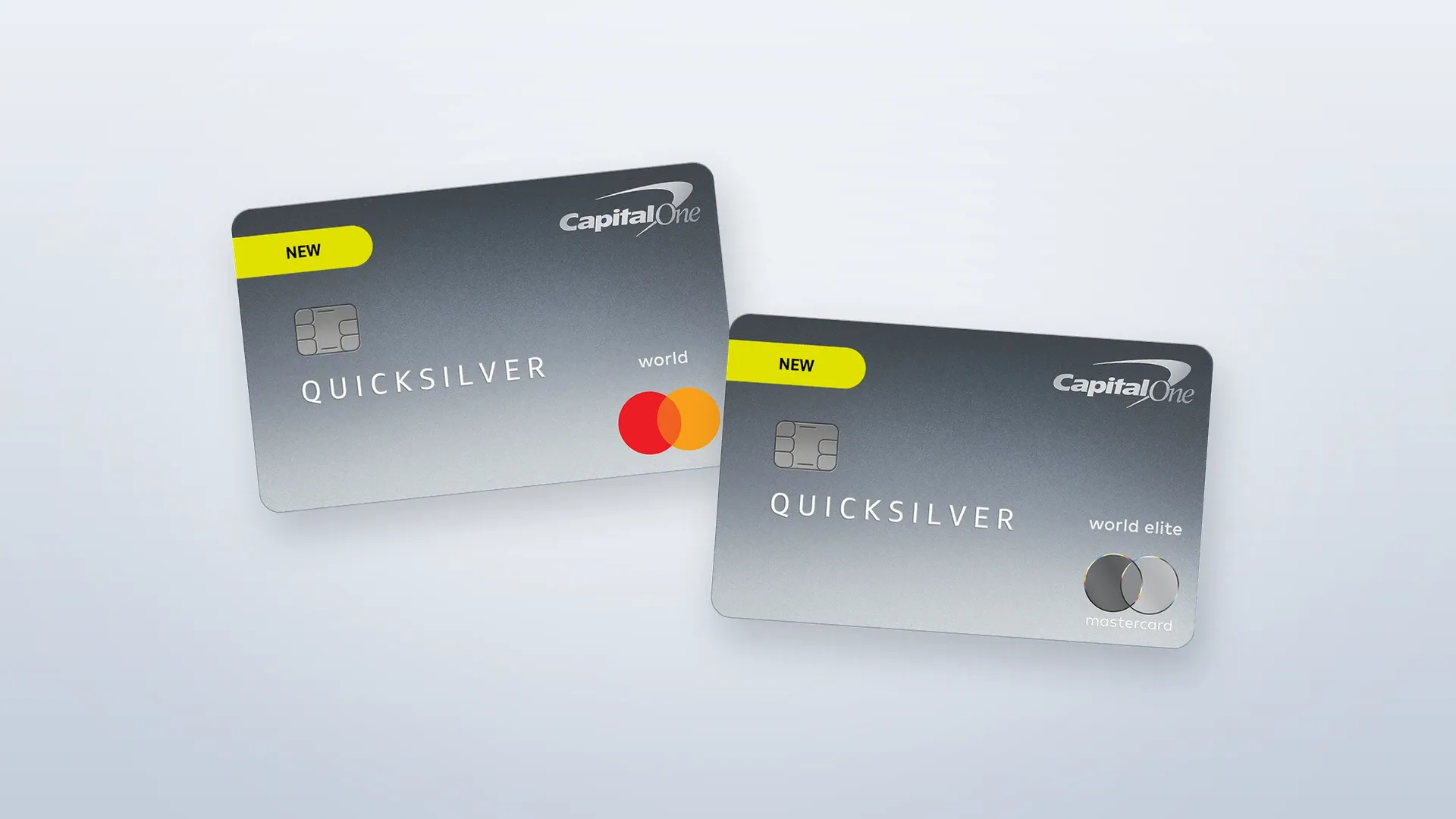
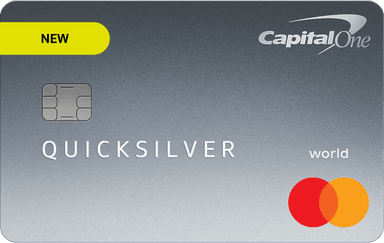
Capital One has added two Quicksilver cards to its Canadian lineup: the Quicksilver World Elite Mastercard and the Quicksilver World Mastercard. Both pay unlimited 3% cash back at grocery stores and gas stations, 1% on everything else, and charge no annual fee and no foreign transaction fees.
The two cards earn the same way. What separates them is the income you need to qualify and the interest rate you pay on a balance. New cardholders also get every dollar of first-year cash back matched, which is the part of the offer worth reading closely.
As of November 2026, the Capital One Quicksilver cards in Canada pay 3% cash back on groceries and gas and 1% elsewhere, with no spending cap, a $0 annual fee and 0% foreign exchange fees. The World Elite version requires $80,000 in personal income; the World version requires $50,000.
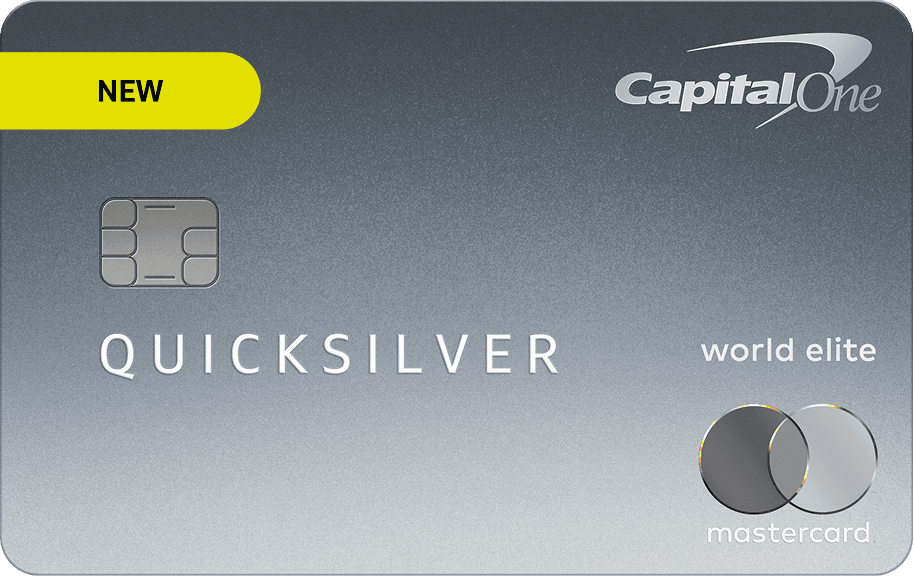
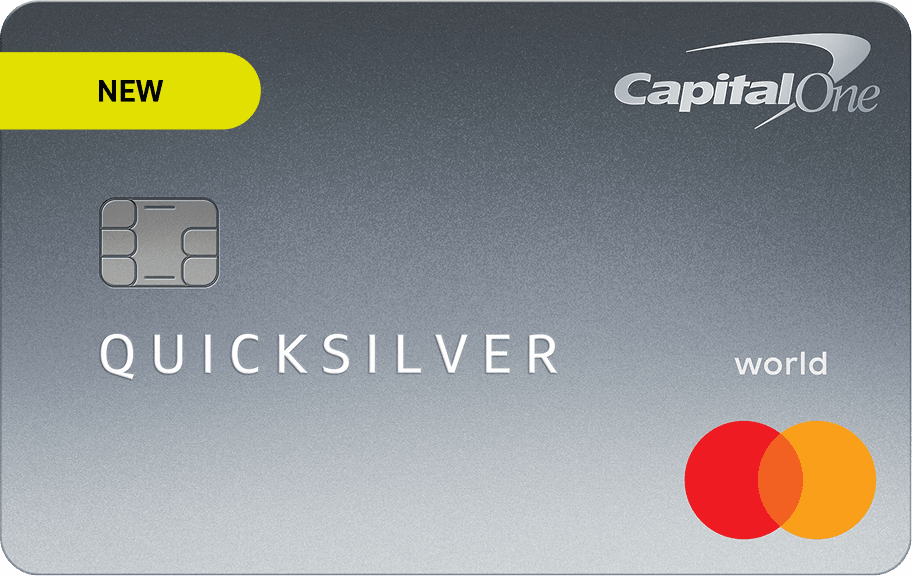
What the two Quicksilver cards offer
Earn rates, fees and perks are identical. The table below lists every figure Capital One publishes for each card.
| Feature | Quicksilver World Elite Mastercard | Quicksilver World Mastercard |
|---|---|---|
| Grocery stores | 3% cash back, no cap | 3% cash back, no cap |
| Gas stations and EV charging | 3% cash back, no cap | 3% cash back, no cap |
| Everything else | 1% cash back, no cap | 1% cash back, no cap |
| First-year offer (new cardholders) | Cash back matched dollar for dollar | Cash back matched dollar for dollar |
| Annual fee | $0 | $0 |
| Foreign transaction fee | 0% | 0% |
| Purchase rate | 20.9% | 21.9% to 29.9% |
| Balance transfer rate | 20.9% | 21.9% to 29.9% |
| Cash advance rate | 20.9% | 21.9% to 29.9% |
| Minimum income | $80,000 personal or $150,000 household | $50,000 personal or $80,000 household |
How the first-year cash back match works
According to Capital One, new cardholders get an unlimited, dollar-for-dollar match of all the cash back earned during their first year. The match is calculated at the end of your first 365 days and credited within 2 billing periods. In practice, that turns the first year into:
- Grocery stores: 6% (3% before the match)
- Gas stations and EV charging: 6% (3% before the match)
- Everything else: 2% (1% before the match)
There is no cap on the match. The catch is timing: you see nothing extra for 12 months, then the bonus lands in one lump sum.
Income requirements: which card can you get?
The income threshold decides which version you can apply for. Capital One offers a pre-approval check on its site, so you can test your odds before a full application.
- Quicksilver World Elite Mastercard: minimum $80,000 personal income or $150,000 household income
- Quicksilver World Mastercard: minimum $50,000 personal income or $80,000 household income
- Both cards: the first-year match is for new cardholders only
What a typical year looks like
Take a household that spends $500 a month on groceries and gas and $1,000 a month on everything else:
- Groceries and gas: $6,000 a year at 3% = $180
- Other purchases: $12,000 a year at 1% = $120
- Total in a normal year: $300
- Total in year one, after the match: $600
Since there is no annual fee, that $300 is pure gain from year two onward. Capital One says the cash back does not expire for the life of the account, and you redeem it as a statement credit in the app or online. Capital One's FAQ explains which merchants count as grocery stores and gas stations: read it before assuming a big-box store or warehouse club earns 3%.
No foreign transaction fees, on a no-fee card
Most Canadian credit cards add a foreign transaction fee to purchases made outside Canada or billed in another currency. Both Quicksilver cards charge 0% on purchases made outside Canada, which makes them useful for cross-border shopping, online orders from U.S. stores and travel. Run your own numbers with our no FX fee calculator, then compare the field in our ranking of the best no foreign transaction fee cards.
Insurance and benefits
Capital One lists purchase assurance, extended warranty, car rental collision and loss damage insurance, price protection, common carrier travel accident insurance, and flight delay, baggage delay and lost baggage insurance on both cards. The product pages do not give coverage amounts or limits: those are in the certificate of insurance, and you should read it before relying on any of these protections. Capital One also notes that these premium cards can cost merchants more to accept.
Who should apply
The Quicksilver cards make the most sense for people who:
- buy groceries and gas every month and want a flat 3% with no cap to track;
- shop or travel outside Canada and pay foreign transaction fees today;
- want a no-fee card they can keep for years.
If you carry a balance, the cash back will not cover the interest: at 20.9% to 29.9%, paying in full each month matters more than the earn rate. If you are deciding between the Quicksilver and a fee-based card, our CIBC Dividend Visa Infinite review shows what a higher earn rate costs in annual fees, and our list of the best cash back credit cards puts both in context.
Bottom Line
Apply for the World Elite version if you earn at least $80,000, since it carries a flat 20.9% rate; otherwise the World version gives you the same rewards. Put your groceries, gas and foreign purchases on it, pay the balance in full, and the first-year match doubles what you earn in your first 365 days. For more card news, browse our credit card articles or sign up for the Ratesopedia newsletter.