
Aviva Home Insurance Review
Loading article…
Protect your home with confidence by understanding your coverage options.
Shopping for home insurance in Canada means weighing coverage depth against cost. Aviva home insurance ranks among the country’s leading property and casualty insurers, yet many homeowners remain unsure whether its policies align with their needs.
This review examines Aviva’s standard coverage, optional add-ons, pricing structure, and customer satisfaction ratings. You’ll learn how Aviva compares to competitors and whether its broker-based model suits your preferences. For broader comparisons, explore our guide to insurance options in Canada.
Aviva Insurance Company of Canada operates as a subsidiary of UK-based Aviva plc, bringing over three centuries of insurance experience to the Canadian market. The company serves approximately 2.5 million customers coast to coast, offering property and casualty coverage primarily through independent brokers.
Unlike direct insurers that sell policies online or by phone, Aviva distributes most home insurance through broker partnerships. This means you’ll typically work with a licensed insurance broker who accesses Aviva’s products alongside other carriers.
Aviva operates several insurance entities in Canada, including Aviva Insurance Company, Aviva Traders, and Aviva Elite. In early 2026, the company consolidated some subsidiaries under the Aviva Insurance Company of Canada banner, streamlining operations without changing existing policy coverage.
Aviva home insurance policies include standard protections found across most Canadian insurers, plus customizable options to match specific property needs.
Every Aviva home insurance policy includes four foundational coverage areas that protect your dwelling, belongings, liability, and temporary living costs.
Aviva offers combined coverage limits that group dwelling, contents, and living expenses under one total amount. This flexibility can eliminate separate limit management, though availability varies by province and property type.
Aviva structures home insurance into three tiers based on peril coverage breadth. Understanding these differences helps you select appropriate protection levels.
| Policy Type | Dwelling Coverage | Contents Coverage | Best For |
|---|---|---|---|
| Basic | Named perils only | Named perils only | Budget-conscious buyers accepting limited protection |
| Broad | All perils except exclusions | Named perils only | Homeowners prioritizing structure over belongings |
| Comprehensive | All perils except exclusions | All perils except exclusions | Most homeowners seeking maximum protection |
Comprehensive policies represent the most popular choice, covering both your home and contents against all risks unless specifically excluded in your policy wording. Named perils coverage only protects against dangers explicitly listed, such as fire, theft, lightning, or explosion.
Standard policies exclude certain perils that require separate add-ons. Aviva offers optional endorsements to fill common coverage gaps based on your property’s risk profile.
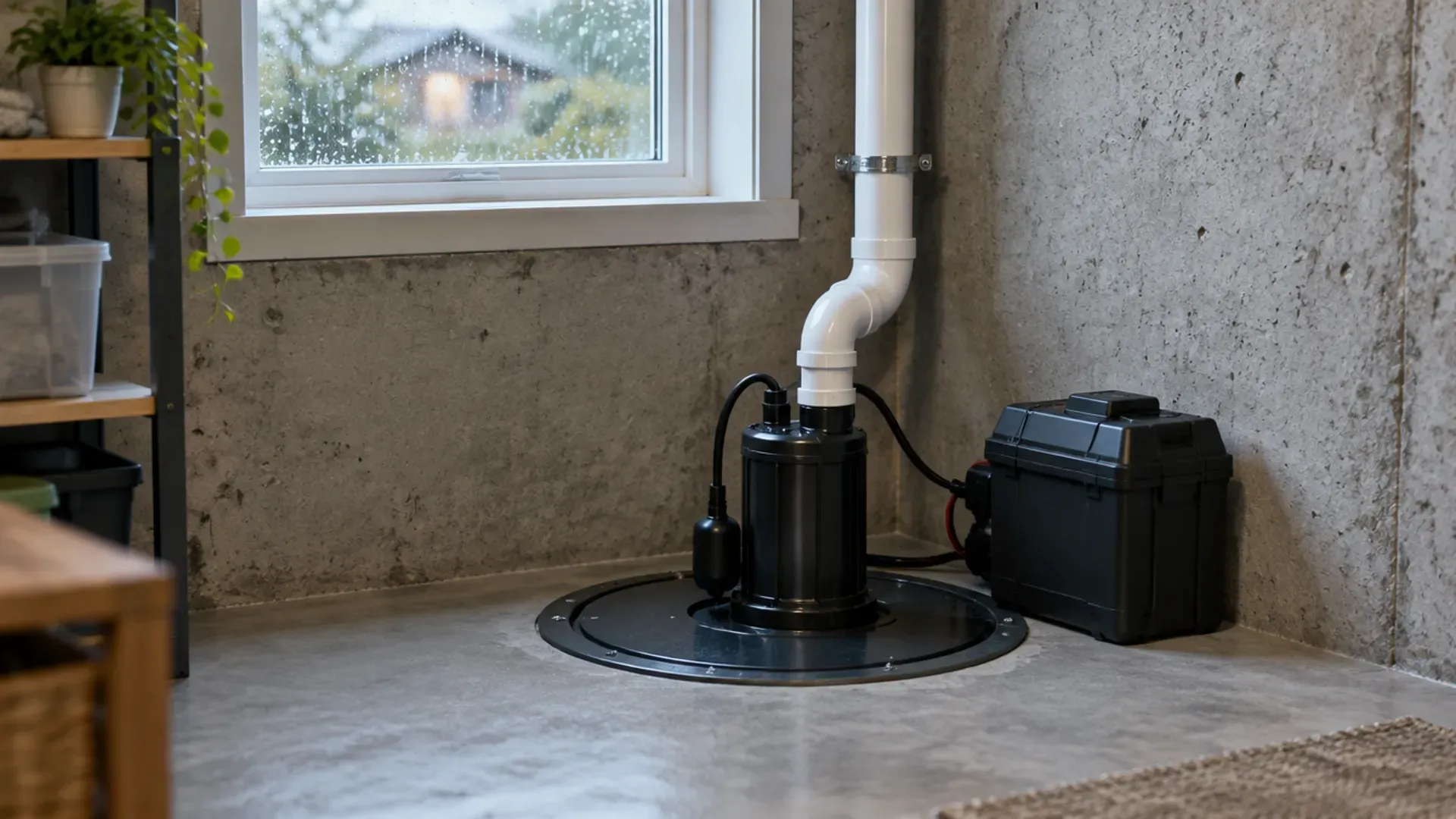
Water-related claims represent the costliest category for Canadian insurers. Aviva requires minimum deductibles and limits for water endorsements to manage this risk.
Earthquake damage falls outside standard home insurance unless you add this endorsement. British Columbia and parts of Quebec face higher seismic risk, making this add-on worth considering if you own property in those regions.
Earthquake policies typically carry higher deductibles (often 10% of your dwelling coverage) and may exclude masonry repairs or foundation damage depending on policy wording.
Standard contents coverage caps certain high-value items at $3,000 to $5,000 total. If you own jewellery, art, collectibles, or expensive electronics exceeding these limits, scheduled property endorsements provide additional protection.
You’ll need professional appraisals for items over $5,000 to secure full replacement coverage. Aviva adjusts premiums based on appraised values and item categories.
Aviva home insurance costs vary significantly across provinces, cities, and even postal codes. Climate risks, local construction costs, and claims history all influence your premium.
The average Alberta homeowner paid approximately $1,800 to $2,000 annually for home insurance in 2026, with premiums rising 13.5% year-over-year in Q4 2025. Ontario and British Columbia residents often face higher costs due to wildfire and flood exposure.
Rates and terms may vary by financial institution. Your actual premium depends on dwelling age, construction materials, proximity to fire hydrants, claims history, and chosen deductible levels.
Aviva offers several discount categories that can reduce your annual premium. Combining multiple discounts maximizes savings potential.
Ask your broker about group discounts for certified professionals, alumni associations, or employer partnerships that may provide additional savings.
Aviva’s customer service model centres on broker relationships rather than direct policyholder contact. This structure affects how you manage policies and file claims.
The MyAviva app and website allow policyholders to view coverage details, submit claims, upload documentation, and track claim progress without phone calls or paper forms. The platform works on smartphones, tablets, and computers for 24/7 access.
Policy changes typically still require broker assistance rather than self-service adjustments through the app. This maintains broker relationships but reduces immediate flexibility compared to direct insurers.
Filing an Aviva home insurance claim follows a straightforward process, though timelines vary based on claim complexity and seasonal volume.
Peak claim seasons following major storms or wildfires can extend processing times and delay adjuster availability. Average resolution times vary by claim type, from simple water damage (two to four weeks) to total loss fires (several months).
Aviva earned recognition as a 2023 Insurance Business Canada 5-Star Carrier and received the 2023 Toronto Star Readers’ Choice Gold award for Best Insurance Company. The company also achieved 2024 Great Place to Work certification.
Customer feedback highlights Aviva’s comprehensive coverage options and flexible policy customization as strengths. Common complaints centre on broker dependency for policy changes and premium increases in high-risk areas.
Obtaining Aviva home insurance requires working with a licensed broker rather than purchasing directly from the company. This multi-step process allows comparison across carriers.
Prepare details about security systems, claims history, and desired deductible levels before contacting brokers. Accurate information produces more precise quotes and avoids coverage gaps.
Weighing Aviva’s advantages against limitations helps determine whether its policies suit your homeownership situation.
Aviva home insurance delivers comprehensive coverage backed by strong financial stability and flexible policy customization. The broker-based distribution model suits homeowners who value professional guidance over self-service convenience, though it limits direct purchasing options.
If you prioritize extensive endorsement choices, digital claims management, and established insurer reputation, Aviva warrants comparison alongside competitors. However, premium variability by location means obtaining multiple quotes remains essential to identify your best value.
Climate change continues reshaping home insurance availability and costs across Canada. Homeowners in high-risk areas should review coverage annually and consider water damage endorsements regardless of carrier. Stay informed about policy changes and rate trends by signing up for our newsletter.
Aviva home insurance covers your dwelling structure, personal belongings, liability claims, and additional living expenses after insured perils like fire, theft, or windstorm. Optional endorsements add protection for excluded perils such as overland water, sewer backup, and earthquakes.
Aviva home insurance premiums vary by province, postal code, dwelling characteristics, and coverage selections. Alberta homeowners paid approximately $1,800 to $2,000 annually in 2026, while Ontario and BC residents often face higher costs due to regional risk factors. Rates and terms may vary by financial institution.
No, Aviva distributes home insurance through independent brokers rather than direct online sales. You must contact a licensed broker who carries Aviva products to obtain quotes and purchase coverage. Some broker platforms allow online quote comparisons before finalizing policies.
Overland water coverage requires an optional endorsement with a minimum $2,500 deductible at Aviva. Standard policies exclude flood damage from surface water entering your home. Coverage limits typically range from $100,000 to $300,000 depending on your location’s flood risk profile.
Aviva provides discounts for bundling home and auto insurance, maintaining claims-free history, installing monitored security systems (excluding Ontario, Alberta, and BC), upgrading home systems, and choosing higher deductibles. Group discounts may apply for certain professional associations or employer partnerships.
File claims through your insurance broker or the MyAviva digital platform. Document damage with photos, preserve affected items safely, and gather receipts for contents claims. Aviva assigns an adjuster to inspect damage and verify coverage before issuing settlement payments minus your deductible.
Aviva operates across Canada, serving customers in Ontario, Manitoba, Saskatchewan, Alberta, British Columbia, and Atlantic provinces. Availability in specific postal codes depends on regional risk assessments, with some high-risk flood or wildfire areas facing coverage restrictions or higher premiums.
Basic policies cover only named perils for both dwelling and contents. Broad policies protect your dwelling against all perils except exclusions but limit contents to named perils. Comprehensive policies cover both dwelling and contents against all risks unless specifically excluded, offering maximum protection.
Read next

Our reviews and rankings are based on an objective assessment. Advertisers do not influence our content. We may receive compensation through some links; our analysis and opinions remain independent.