
Does Tenant Insurance Cover Water Damage
Loading article…
Does tenant insurance cover water damage? The answer depends on what caused the water damage. If you’re renting in Canada, understanding your coverage can save you thousands of dollars when unexpected leaks or floods occur. Standard tenant insurance typically covers sudden water damage from burst pipes or appliance malfunctions, but excludes gradual leaks, flooding, and sewer backup unless you add optional endorsements.
Water is the enemy your landlord’s insurance won’t protect you from. Their policy covers the building, not your furniture, electronics, or clothing.
Ratesopedia’s Take: Tenant insurance covers most sudden water events, like a burst pipe that floods your apartment at 2 AM. It does not cover slow leaks you ignored for months, overland flooding from heavy rain, or sewer backup unless you purchase add-on coverage. The average basement flood costs $40,000 to repair, and while your landlord covers structural damage, your belongings are your responsibility.
Standard tenant insurance in Canada protects your belongings when water damage happens suddenly and accidentally. This includes damage from burst pipes, overflowing sinks or bathtubs, washing machine hose failures, and hot water tank leaks.
Your policy also includes liability protection. If you forget to turn off the bathroom faucet and water damages your neighbour’s unit below, your tenant insurance can cover their repair costs and your legal expenses.
If your rental becomes uninhabitable due to covered water damage, your policy pays for temporary accommodation, meals, and additional living expenses while repairs are completed. This coverage activates only when the damage stems from an insured event.
Your tenant insurance replaces or repairs personal property damaged by covered water events. This includes clothing, furniture, electronics, kitchen items, and other possessions you own.
The building structure and fixtures belong to your landlord. Their insurance handles wall repairs, flooring replacement, and plumbing fixes. Your policy covers what you brought into the apartment.
Not all water damage qualifies for coverage under standard tenant insurance policies. Canadian insurers exclude several types of water-related incidents from basic protection.
Insurers distinguish between sudden accidents and preventable maintenance failures. A pipe that bursts during a cold snap receives coverage. A slow drip under your sink that you ignored for six months does not.
Overland flooding represents water that accumulates on normally dry ground and enters your building through doors, windows, or ground-level openings. This differs from internal plumbing failures.
Standard policies exclude this coverage because flood risk varies dramatically by location. Properties near rivers, lakes, or in low-lying areas face higher exposure than units on upper floors or elevated ground.
Canadian insurers offer endorsements that extend your water damage protection beyond standard coverage. These optional add-ons address the most common exclusions in basic tenant policies.
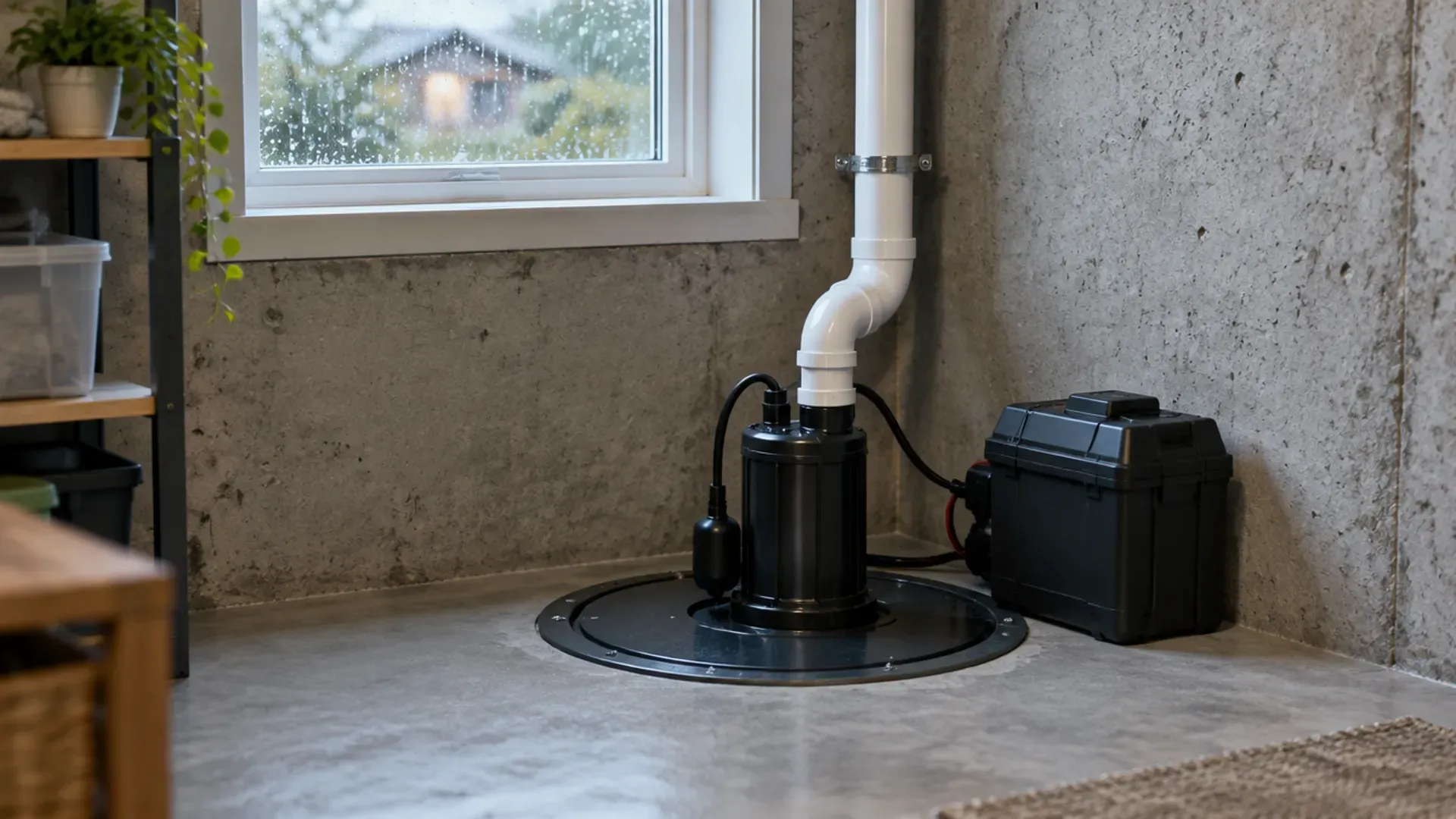
Sewer backup coverage protects you when water or sewage flows back into your rental through drains, toilets, sump pumps, or septic systems. This endorsement typically costs between $50 and $150 annually.
Without this add-on, you pay out of pocket when sewage damages your belongings. If you rent a basement unit, ground-floor apartment, or any space with floor drains, this coverage becomes essential.
Coverage limits for sewer backup typically range from $10,000 to $25,000. Higher limits cost more but provide greater protection if a major backup destroys significant property.
Overland water endorsements cover damage from fresh water entering your rental at ground level. This includes torrential rain, rapid snowmelt, and overflow from lakes, rivers, or streams.
Availability depends on your location and flood risk assessment. Insurers may deny this coverage in high-risk flood zones or charge substantially higher premiums. Rates and terms may vary by financial institution.
This endorsement does not cover coastal flooding, storm surge, or intentional breaches of dams and levees. It focuses specifically on fresh water accumulation from weather events.
| Coverage Type | What It Protects | Typical Annual Cost | Who Needs It |
|---|---|---|---|
| Sewer Backup | Drains, toilets, sump pumps | $50 – $150 | Basement or ground-floor tenants |
| Overland Water | Rain, snowmelt, river overflow | $100 – $300+ | Low-lying areas, flood zones |
| Standard Coverage | Burst pipes, appliance leaks | Included | All tenants |
Every tenant insurance policy in Canada includes personal liability protection. This coverage activates when your actions cause water damage to your landlord’s property or neighbouring units.
If you overflow your bathtub and water seeps into the apartment below, damaging their ceiling and furniture, your liability coverage pays for their losses. Standard policies provide $1 million to $2 million in liability protection.
This coverage extends beyond your rental unit. If you accidentally cause water damage while staying in a hotel or visiting a friend, your tenant insurance liability protection follows you.
Tenants must take reasonable steps to prevent water damage and report problems promptly. Failing these duties can void your coverage for related claims.
If your negligence causes water damage, your liability insurance covers the landlord’s deductible and repair costs. However, insurers may deny claims if you knowingly ignored warning signs or failed to maintain basic care.
When water damages your rental unit, contact your insurance provider immediately. Most insurers operate 24-hour claims lines for urgent situations like floods or burst pipes.
Document everything before cleanup begins. Take photos and videos of the water source, damaged belongings, and affected areas. This evidence supports your claim and helps adjusters assess the loss accurately.
Your insurer may require you to mitigate damage by removing standing water or drying wet areas. Save receipts for these emergency measures, as your policy typically reimburses reasonable mitigation costs.
Insurance adjusters distinguish between sudden accidents and gradual damage. They examine whether the water event happened quickly and unexpectedly, or resulted from long-term neglect.
A pipe that bursts during a freeze qualifies as sudden and accidental. A slow leak you noticed three months ago but never reported does not. Adjusters may deny claims when evidence suggests you knew about the problem.
Tenant insurance covers sudden water damage from burst pipes, appliance failures, and accidental overflows. It excludes overland flooding, sewer backup, and gradual leaks unless you purchase optional endorsements. Your policy protects your belongings and provides liability coverage if you accidentally damage neighbouring units. Water damage represents the leading cause of property insurance claims in Canada, making proper coverage essential for renters.
Review your policy annually to confirm your coverage limits match your belongings’ value. If you rent a basement unit, add sewer backup protection. Consider overland water coverage if you live in a flood-prone area. Document your possessions with photos and receipts to streamline claims if water damage occurs.
Stay informed about the latest insurance options and financial strategies by subscribing to our newsletter. Compare coverage options to find the protection that fits your needs and budget.
Yes, standard tenant insurance in Canada covers water damage from burst pipes that occur suddenly and accidentally. This includes pipes that freeze and burst during winter or pipes that fail due to age or pressure. Your policy covers your damaged belongings and temporary living expenses if the burst pipe makes your rental uninhabitable.
No, sewer backup is not covered under standard tenant insurance policies in Canada. You must purchase an optional sewer backup endorsement to protect against water or sewage flowing back through drains, toilets, or sump pumps. This endorsement typically costs $50 to $150 annually and is essential for basement or ground-floor apartments.
Standard tenant insurance does not cover overland flooding from heavy rain, snowmelt, or overflowing bodies of water. You need to add an overland water endorsement to your policy for this protection. Availability and cost depend on your location and flood risk assessment by your insurance provider.
Your tenant insurance liability coverage protects you if you accidentally cause water damage to neighbouring units. If you overflow your bathtub or forget to turn off a faucet, your policy covers repair costs for damaged property below or beside your unit, along with legal expenses if your neighbour files a claim.
No, tenant insurance does not cover gradual leaks or damage from ongoing maintenance issues. Insurers exclude damage that occurs slowly over time, especially if you knew about the leak and failed to report it. Your policy only covers sudden and accidental water events, not preventable maintenance problems.
Basic tenant insurance with standard water damage coverage typically costs $19 to $50 per month in Canada. Adding optional sewer backup coverage adds $50 to $150 annually, while overland water protection can add $100 to $300 or more per year. Rates and terms may vary by financial institution based on your location and coverage limits.
Most tenant insurance policies limit coverage for water damage during extended absences. Standard policies may only cover 48 to 72 hours of vacancy. If you plan to be away longer, notify your insurer before departure to maintain coverage or arrange for someone to check your unit regularly.
No, your landlord’s insurance covers only the building structure, not your personal belongings. You need your own tenant insurance to protect your furniture, electronics, clothing, and other possessions from water damage. Landlord policies do not extend coverage to tenant property under any circumstances.
Read next

Our reviews and rankings are based on an objective assessment. Advertisers do not influence our content. We may receive compensation through some links; our analysis and opinions remain independent.