
Find Home Insurance in BC

Loading article…
Value promise: Understand BC home insurance costs, coverage, and how to protect your home from regional risks.
Home insurance protects your property and finances when unexpected events damage your home or belongings. In British Columbia, policies typically cover fire, theft, wind damage, and certain types of water damage.
While not legally mandatory in BC, mortgage lenders almost always require proof of coverage before approving financing. Even if you own your home outright, insurance shields you from paying tens of thousands out of pocket for repairs or rebuilding.
A standard policy combines several protection layers. Dwelling coverage pays to repair or rebuild your home’s structure. Personal property coverage replaces your belongings if they’re damaged or stolen. Liability coverage protects you if someone is injured on your property or you accidentally damage someone else’s property.
Additional living expenses coverage helps pay for temporary housing if you need to move out during repairs. This matters in BC where rebuild timelines can stretch due to weather delays or contractor availability.
Most BC homeowners pay between $1,200 and $2,000 per year for home insurance, according to industry data. Your actual premium depends on your home’s location, age, rebuild value, and the coverage limits you select.
Urban areas with higher property values typically see premiums toward the upper end of this range. Vancouver homeowners often pay $1,600 to $2,000 annually due to dense housing, elevated rebuild costs, and flood exposure in certain neighbourhoods.
Interior communities face different pricing pressures. Kelowna and surrounding areas have seen rate increases following recent wildfire seasons, with annual premiums ranging from $1,500 to $1,900 for homes near forested interface zones.
| City | Estimated Annual Cost |
|---|---|
| Vancouver | $1,600 – $2,000 |
| Victoria | $1,400 – $1,900 |
| Surrey | $1,300 – $1,700 |
| Kelowna | $1,500 – $1,900 |
| Prince George | $1,450 – $1,900 |
Rates and terms may vary by financial institution and insurance provider. These figures represent typical ranges based on standard coverage for detached homes.
Standard policies in British Columbia include four core coverage types. Understanding each component helps you assess whether your protection matches your actual needs.
This pays to repair or rebuild your home if it’s damaged by insured perils like fire, wind, hail, or vandalism. It covers your walls, roof, foundation, and permanently attached features like built-in appliances.
Coverage limits should reflect current rebuild costs, not your home’s market value. Construction material prices in BC have climbed significantly, so older policies may carry insufficient limits if not reviewed regularly.
Your belongings inside the home receive protection under this section. Furniture, clothing, electronics, and appliances are covered if damaged by insured events or stolen.
Most policies set this coverage at 50 to 70 percent of your dwelling limit. If you own high-value items like jewellery or art, you may need additional riders to fully protect them.
Liability protection covers legal expenses and settlements if you’re held responsible for injuries to others or damage to their property. This extends beyond your home to incidents involving you or your family members elsewhere.
Standard policies typically include $1 million to $2 million in liability coverage. Increasing this limit costs relatively little but provides substantial additional protection.
If an insured event forces you to temporarily relocate, this coverage pays for hotel stays, restaurant meals, and storage costs while your home is being repaired.
In BC, where major repairs can take months due to weather or supply chain delays, this coverage prevents financial strain during an already stressful situation.
British Columbia’s geography creates distinct insurance challenges. Coastal storms, seismic activity, and wildfire exposure all influence what coverage you should consider beyond standard policies.
Standard home insurance in BC does not include earthquake protection. Since the province sits on the Cascadia Subduction Zone, adding this coverage makes sense for most homeowners, particularly those in coastal and southern regions.
Earthquake insurance typically carries higher deductibles than other coverage types, often ranging from 10 to 20 percent of your dwelling coverage limit. Despite the cost, it provides essential protection against a significant regional risk.
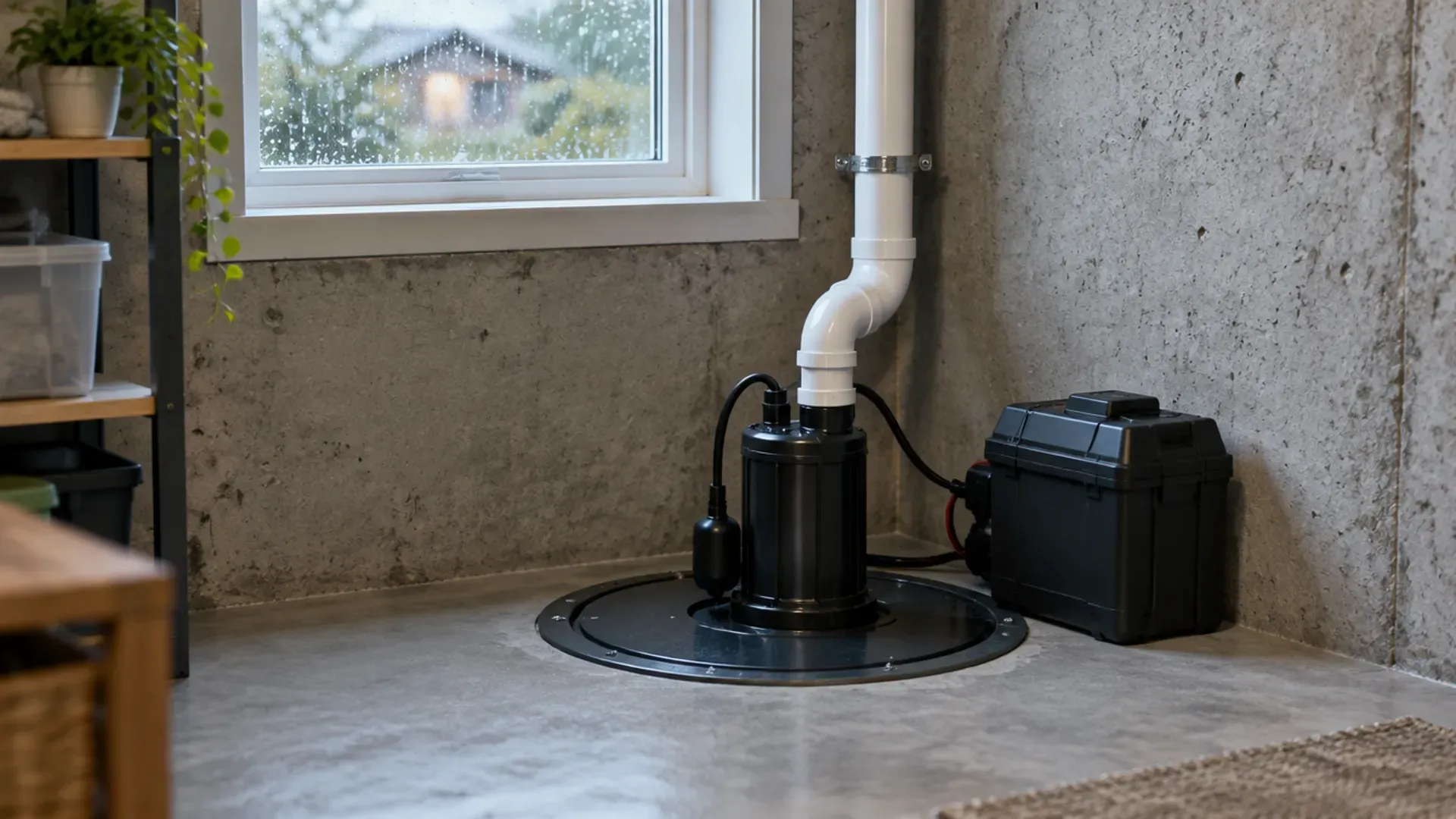
Overland flood coverage protects against damage from heavy rain, rising fresh water, or rapid snow melt. This optional coverage has become increasingly relevant following atmospheric river events in the Fraser Valley and other low-lying areas.
Sewer backup coverage is a separate endorsement that covers damage when wastewater backs up into your home through drains or toilets. Many BC municipalities have aging infrastructure, making this add-on worth considering.
Most standard policies cover wildfire damage to your home and belongings. However, homes in high-risk interface zones may face higher premiums or stricter underwriting requirements.
Some insurers now request information about defensible space, fire-resistant materials, and vegetation management before offering coverage in wildfire-prone areas.
Understanding what your policy doesn’t cover prevents unpleasant surprises when you file a claim. BC homeowners should pay particular attention to these typical exclusions.
Review your policy documents carefully and ask your broker or insurer to clarify any exclusions you don’t understand. Knowing your coverage gaps lets you address them through endorsements or separate policies.
Several strategies can help reduce your premiums without sacrificing essential protection. Small changes to your policy structure or home maintenance often yield meaningful savings.
Compare quotes from multiple providers when your policy comes up for renewal. Rates vary significantly between insurers, and shopping around often reveals better value for equivalent coverage.
Several established insurers offer coverage throughout British Columbia. Each brings different strengths in pricing, coverage options, and customer service.
Working with a licensed broker gives you access to multiple insurers through a single point of contact. Brokers can compare coverage and pricing across providers to find options that suit your specific situation.
British Columbia’s insurance market operates under provincial oversight. The Financial Services Regulatory Authority of British Columbia regulates insurance companies and ensures they meet solvency and consumer protection standards.
While home insurance isn’t legally required in BC, the Insurance Act and related regulations establish disclosure requirements, claims handling standards, and dispute resolution processes that protect policyholders.
If you have a dispute with your insurer, you can contact the BC Financial Services Authority or pursue resolution through the Civil Resolution Tribunal, which handles certain insurance claims disputes.
Home insurance in BC protects your largest asset from fire, theft, and weather damage, but standard policies leave gaps around earthquake and flood coverage. With annual premiums ranging from $1,200 to $2,000 depending on location and property characteristics, comparing providers and coverage options helps ensure you get appropriate protection at a competitive price.
BC’s unique climate risks make add-on coverage worth evaluating. Earthquake insurance matters across most of the province, while overland flood and sewer backup coverage provide important protection in flood-prone areas. Installing protective systems, maintaining your home, and reviewing your policy annually can help manage costs without compromising coverage.
Before purchasing or renewing, compare options from multiple insurers or work with a broker who can access several providers. Review exclusions carefully, ask questions about anything unclear, and adjust your coverage as your home and financial situation evolve.
Stay informed about policy changes and new savings opportunities by signing up for our newsletter. We track insurance trends and highlight strategies to help you make confident financial decisions.
Home insurance is not legally required in BC. However, mortgage lenders typically require proof of insurance before approving or finalizing your loan. Even without a mortgage, maintaining coverage protects you from paying repair and rebuilding costs out of pocket.
No, earthquake coverage is not included in standard BC home insurance policies. You must add it as a separate endorsement. Given BC’s location on the Cascadia Subduction Zone, earthquake coverage is particularly relevant for homeowners in coastal and southern regions.
Standard policies do not cover overland flooding from heavy rain, rising water, or snow melt. Overland flood coverage and sewer backup protection are optional endorsements you need to add separately. These have become increasingly important following recent flood events in BC.
Most BC homeowners pay between $1,200 and $2,000 per year. Your actual premium depends on your home’s location, age, rebuild value, claims history, and the coverage options you select. Urban areas with higher property values and wildfire-prone regions often see rates toward the upper end of this range. Rates and terms may vary by financial institution.
Several factors influence your premium including your home’s location, proximity to wildfire or flood zones, age and rebuild value of the structure, claims history, chosen deductible, and coverage limits. Homes in high-risk areas or those with older systems may face higher premiums.
Yes, several strategies can lower your premium. Increasing your deductible, bundling home and auto insurance, installing security or water detection systems, maintaining a claims-free record, and paying annually instead of monthly all typically reduce costs. Comparing quotes from multiple providers also helps identify better rates.
Market value is what your home would sell for, while rebuild cost is what it would cost to reconstruct your home from the ground up. Insurance coverage should be based on rebuild cost, not market value. In some BC areas, rebuild costs have risen faster than sale prices due to construction material and labour inflation.
While not legally required, keeping home insurance after paying off your mortgage protects you from financial loss if your home is damaged or destroyed. Without coverage, you would pay all repair and rebuilding costs yourself. Given BC’s exposure to wildfires, floods, and earthquakes, maintaining insurance provides valuable financial protection.
Read next

Our reviews and rankings are based on an objective assessment. Advertisers do not influence our content. We may receive compensation through some links; our analysis and opinions remain independent.