

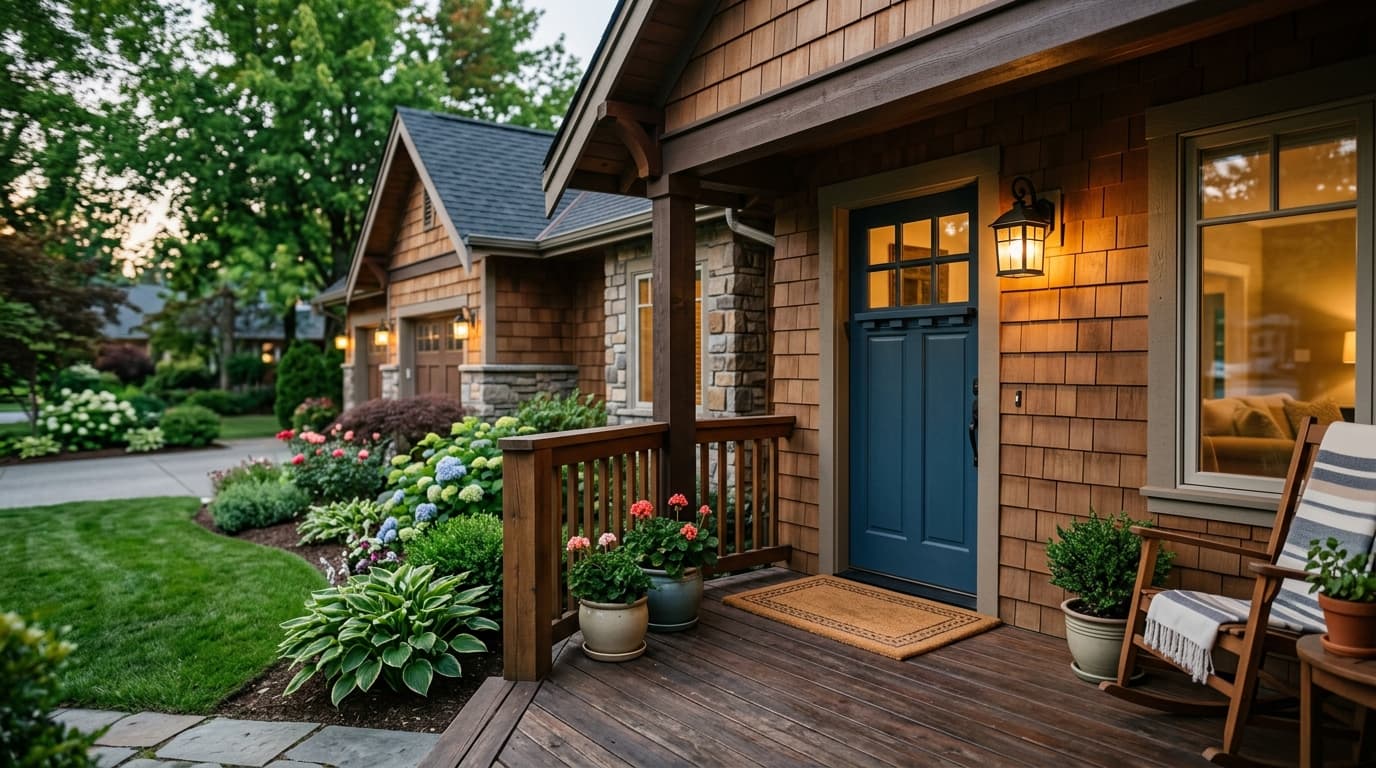
Get your best home insurance quote in minutes. Whether you’re a new homeowner or comparing policies at renewal time, understanding how quotes work helps you secure the right coverage at the right price across Canada.
Why Compare Home Insurance Quotes?
What Is a Home Insurance Quote?
A home insurance quote is an estimate of what you’ll pay for coverage based on details about your property and personal risk profile. Insurers assess factors like your home’s age, location, construction type, and claims history to calculate your premium.
Quotes are typically valid for 30 to 45 days, assuming your information and coverage needs remain unchanged. They provide a clear breakdown of coverage limits, deductibles, optional add-ons, and total annual or monthly cost.
Most Canadian insurers now offer online quotes that take five minutes or less to complete. You’ll answer questions about your property type, address, construction details, and any existing coverage or claims history.
How Much Does Home Insurance Cost?
Home insurance in Canada costs about $1,300 to $1,400 per year on average, though this varies significantly by province, property type, and coverage level. Rates and terms may vary by financial institution.
As of Q4 2025, premiums increased 7.8% year-over-year nationally. Alberta saw the steepest rise at 13.5%, while Ontario increased 4.3%. These trends reflect growing climate-related claims and rising reconstruction costs.
| Province | Average Annual Cost | YoY Change (Q4 2025) |
|---|---|---|
| Alberta | $1,400–$2,000 | +13.5% |
| Ontario | $1,000–$2,500 | +4.3% |
| Quebec | ~$2,088 | Data varies |
| British Columbia | $1,200–$1,800 | Data varies |
| Nova Scotia | $1,100–$1,600 | Data varies |
Your actual quote depends on your unique circumstances. Location, home age, claims history, and coverage choices all play a role in determining what you’ll pay.
Factors That Affect Your Quote
Insurers assess risk by evaluating your property and personal profile. Understanding these factors helps you anticipate costs and identify potential savings opportunities when requesting a home insurance quote.
Property Characteristics
- Home replacement value: The cost to rebuild your home if destroyed. Higher values require more coverage and increase premiums.
- Property age: Older homes are more prone to issues like plumbing failures or electrical problems, leading to higher premiums.
- Construction materials: Brick and fire-resistant materials typically lower costs. Older wood-frame homes may increase premiums.
- Roof condition: Newer roofs reduce risk of weather-related damage. Older roofs may raise your quote or require upgrades.
- Property size: Larger homes need more coverage. A 7,000-square-foot home costs more to insure than a 500-square-foot condo.
Location and Risk Exposure
Where you live significantly impacts your premium. Homes near bodies of water face flood risk. Properties in high-crime areas see higher theft claims. Proximity to fire stations or hydrants can lower costs.
Climate patterns also matter. Regions with frequent hail, windstorms, or wildfire exposure typically carry higher premiums. Insurers track severe weather events and adjust rates accordingly.
Personal Risk Profile
- Claims history: Previous claims signal higher risk. A claims-free record often qualifies you for discounts.
- Credit score: Some insurers use credit-based insurance scores to assess risk and set premiums.
- Insurance history: Continuous coverage without lapses demonstrates responsibility and may lower costs.
- Property use: Renting out part of your home or running a business from your property can increase premiums.
Coverage and Deductible Choices
The coverage limits you select directly affect your quote. Higher dwelling coverage, increased liability limits, and optional endorsements like sewer backup or overland water protection raise your premium.
Deductibles work inversely. Choosing a higher deductible—say $2,000 instead of $500—lowers your premium because you’re assuming more financial responsibility for small claims.
What You Need to Get a Quote
Having the right information ready speeds up the quoting process and ensures accuracy. Most Canadian insurers ask for similar details when you request a quote online or by phone.
- Property address: Exact street address, including postal code, to assess location-based risks.
- Construction details: Year built, square footage, exterior materials, heating system type, and roof age.
- Ownership information: Names and dates of birth for all property owners listed on the title.
- Occupancy type: Whether it’s your primary residence, a rental property, or a seasonal cottage.
- Claims history: Details of any claims made in the past five years, including dates and amounts paid.
- Mortgage lender: If applicable, lender name and contact information so they can be listed on the policy.
- Current insurance: Your existing insurer and policy expiry date, if you’re switching providers.
Types of Home Insurance Coverage
Canadian home insurance policies typically fall into four main categories. Understanding the differences helps you choose the right level of protection when comparing quotes.
Basic or Named Perils
This covers only the specific perils listed in your policy, such as fire, lightning, theft, or vandalism. If a peril isn’t explicitly named, it’s not covered. This option typically offers the lowest premium but provides limited protection.
Broad Coverage
Broad policies cover your dwelling against all perils except those specifically excluded. Personal belongings are covered on a named-perils basis. This balances cost and protection for many homeowners.
Comprehensive or All-Risk
Comprehensive coverage protects both your dwelling and personal property against all perils except those explicitly excluded. This provides the broadest protection and typically costs more than basic or broad policies.
No-Frills Coverage
Designed for high-risk properties or those in poor condition, no-frills policies meet lender requirements but offer minimal protection. Coverage is limited to specific named perils and may exclude common risks.
Standard Coverage Components
Regardless of policy type, most home insurance includes four core components. Your quote breaks down coverage limits for each.
- Dwelling coverage: Pays to repair or rebuild your home’s structure after a covered loss.
- Personal property: Covers belongings like furniture, clothing, and electronics damaged or stolen.
- Liability protection: Pays legal costs if someone is injured on your property or you damage others’ property.
- Additional living expenses: Covers hotel, meals, and other costs if your home is uninhabitable after a claim.
How to Compare Home Insurance Quotes
Comparing quotes from multiple insurers reveals price differences and coverage variations. For similar profiles, premiums can vary by $1,000 or more annually between providers.
When reviewing quotes, look beyond the bottom-line price. Compare coverage limits, deductibles, optional endorsements, and exclusions to ensure you’re comparing equivalent protection levels.
What to Compare
- Dwelling coverage limits: Ensure each quote provides adequate replacement value for your home.
- Deductible amounts: Confirm deductibles are consistent across quotes or adjust to match your budget.
- Optional endorsements: Check whether critical add-ons like sewer backup or overland water are included or cost extra.
- Liability limits: Standard policies often include $1 million or $2 million. Higher limits cost more but provide greater protection.
- Available discounts: Claims-free, bundling with auto insurance, monitored alarm systems, and mortgage-free status can reduce premiums.
Online Quote Tools
Many Canadian insurers and brokers offer online comparison tools that generate multiple quotes simultaneously. These platforms let you view rates side-by-side and adjust coverage options in real time.
Online tools typically take five minutes or less to complete. You answer questions about your property, select coverage preferences, and receive instant quotes from participating insurers.
When to Get Quotes
Request quotes at least 30 days before your policy renewal date. This gives you time to compare options, ask questions, and switch providers if needed without a coverage gap.
Also consider getting new quotes after major life changes. Renovations, purchasing expensive items, or paying off your mortgage can all affect your premium and coverage needs.
Ways to Lower Your Quote
Several strategies can reduce your home insurance premium without sacrificing essential coverage. Small changes often add up to significant savings over time.
- Bundle policies: Combining home and auto insurance with the same provider can save 10% to 25% on both policies.
- Increase deductibles: Raising your deductible from $500 to $1,000 or $2,000 lowers your premium by assuming more upfront risk.
- Install safety features: Monitored alarm systems, water leak detectors, and fire sprinklers can qualify for discounts.
- Maintain claims-free history: Avoiding small claims preserves your claims-free discount, which can reduce premiums by 10% to 20%.
- Pay annually: Paying your full premium upfront instead of monthly instalments often saves on administrative fees.
- Review coverage regularly: As your home ages or you pay down your mortgage, adjusting coverage can reduce costs without leaving gaps.
Bottom Line
Getting a home insurance quote takes minutes but can save you hundreds or even thousands of dollars over the life of your policy. With premiums rising across Canada—up 7.8% year-over-year as of Q4 2025—comparing multiple providers is more important than ever.
Focus on coverage quality, not just price. Ensure your dwelling limit reflects actual replacement cost, add endorsements for risks like sewer backup or overland water if needed, and review deductibles to balance savings with affordability.
Request quotes at least 30 days before renewal, bundle with auto insurance where possible, and revisit your coverage annually. Small adjustments compound into meaningful savings. Sign up for our newsletter to stay on top of the best insurance deals and money-saving strategies across Canada.
