
Get Tenants Insurance In Toronto

Loading article…
Renting in Toronto means protecting your belongings from unexpected events like theft, fire, or water damage. Tenants insurance in Toronto provides financial coverage for your personal property, liability protection, and additional living expenses if your rental becomes uninhabitable. Many landlords now require proof of coverage before you sign a lease.
This guide explains what tenant insurance covers, how much it costs in Toronto, and how to find the right policy for your rental situation. Whether you live in a downtown condo, a basement apartment, or a house share, understanding your options helps you make an informed decision.
Tenants insurance is a policy designed for renters that covers personal belongings, liability claims, and temporary housing costs. Your landlord’s insurance protects the building structure but does not extend to your possessions or legal responsibilities.
A standard policy includes three main components. Personal property coverage reimburses you for damaged or stolen items. Liability coverage protects you if someone is injured in your unit or if you accidentally damage someone else’s property. Additional living expenses coverage pays for hotel stays and meals if your rental becomes uninhabitable due to a covered event.
Policies are typically structured as comprehensive, broad, or basic coverage. Comprehensive offers the widest protection for both your unit and contents. Broad covers comprehensive perils for your unit with named perils for belongings. Basic protects only items specifically listed in your policy.
Tenant insurance in Toronto typically costs between $20 and $35 per month, which translates to $240 to $420 annually. This rate generally includes up to $30,000 in contents coverage and $1 million in personal liability protection.
Toronto premiums tend to run slightly higher than other Ontario cities due to increased risk factors such as higher theft rates, population density, and claim frequency. Your specific rate depends on your postal code, building age, coverage limits, and claims history.
| Location | Annual Premium | Monthly Rate |
|---|---|---|
| Toronto | $450 | $38 |
| Ottawa | $414 | $35 |
| Ontario Average | $438 | $37 |
| Other Cities | $438 | $37 |
The table shows comparative data from 2026 for tenant insurance premiums across Ontario cities. Rates and terms may vary by financial institution. Your final cost will depend on your specific coverage needs and risk profile.
A tenant insurance policy in Toronto provides three core types of protection. Each component addresses different financial risks you face as a renter in the city.
Standard policies typically exclude certain risks. You can add optional endorsements to expand your protection for specific situations common in Toronto rentals.
Tenant insurance is not legally required by Ontario law or Toronto municipal bylaws. However, landlords have the legal right to require coverage as a condition of your lease agreement.
Most rental agreements in Toronto now include a clause mandating that tenants carry insurance. Landlords typically require proof of coverage before you move in and may request annual confirmation that your policy remains active. The Residential Tenancies Act allows landlords to enforce this requirement.
Even if your landlord does not require coverage, purchasing a policy protects you from significant financial loss. A single theft or fire could cost thousands to replace belongings. Liability claims from injuries in your unit could result in legal expenses that exceed most renters’ savings.
Your landlord’s insurance policy covers only the building structure and their liability as property owners. It does not extend to your personal belongings, your liability for accidents, or your additional living expenses if the unit becomes uninhabitable.
Several variables determine how much you pay for tenant insurance in Toronto. Understanding these factors helps you anticipate your rate and identify opportunities to reduce costs.
Rates and terms may vary by financial institution. Request quotes from multiple providers to compare how each weighs these factors in their pricing.
Obtaining tenant insurance in Toronto involves a straightforward process. Most providers allow you to complete applications online in under 10 minutes.
You can compare insurance providers online through brokers or directly through insurance company websites. Many providers offer discounts for purchasing online or bundling with auto insurance.
Several strategies can help lower your tenant insurance costs without sacrificing essential coverage. Consider these approaches when shopping for a policy.
Tenant insurance in Toronto provides essential financial protection for renters at a cost of $20 to $35 monthly. While not legally mandatory, most landlords require coverage as a lease condition. A standard policy covers personal belongings, liability claims, and additional living expenses if your rental becomes uninhabitable.
The cost of replacing stolen electronics, furniture, and clothing after a theft or fire could easily exceed several thousand dollars. A single liability claim from an injury in your unit could result in legal fees that drain your savings. For the price of a few coffees each month, tenant insurance protects you from these financial risks.
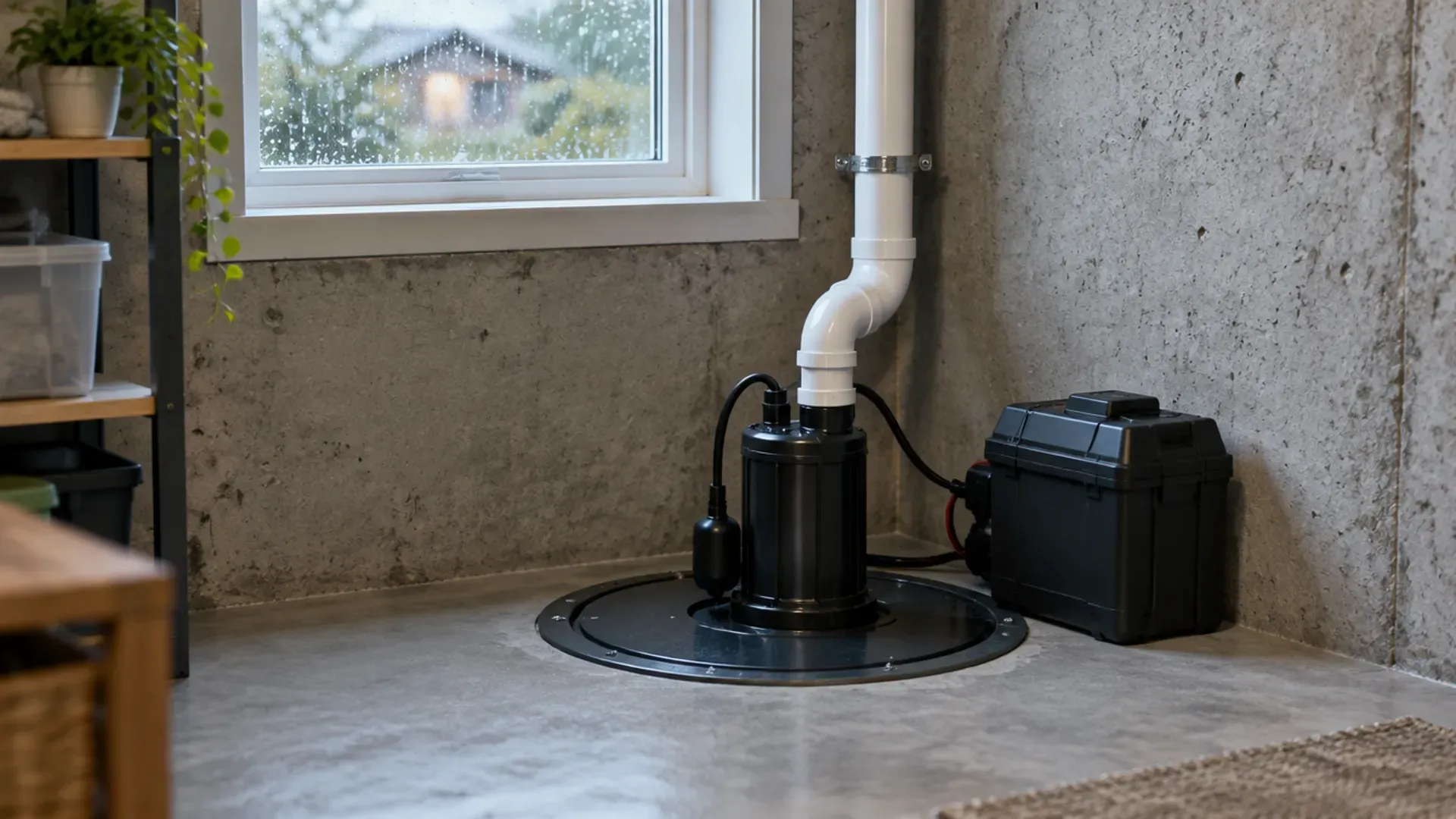
Compare quotes from multiple providers to find the coverage that fits your rental situation and budget. Consider optional endorsements like sewer backup and overland water if you live in a basement unit or flood-prone area. Before signing a lease, confirm whether your landlord requires specific coverage amounts or policy features.
Stay informed about the latest insurance options and money-saving strategies by signing up for our newsletter. We deliver practical financial guidance directly to your inbox.
Tenant insurance covers your personal belongings against theft, fire, and water damage. It includes liability protection if someone is injured in your unit or if you damage someone else’s property. Additional living expenses coverage pays for temporary accommodation if your rental becomes uninhabitable due to a covered event.
The average cost ranges from $20 to $35 per month, or $240 to $420 annually. Toronto rates run slightly higher than other Ontario cities due to increased risk factors. Your specific premium depends on your postal code, coverage amount, deductible, building age, and claims history.
Tenant insurance is not legally required by Ontario law or Toronto bylaws. However, most landlords include a requirement for coverage in lease agreements. Landlords can legally mandate that tenants carry insurance and provide proof before moving in.
Key factors include your postal code and neighbourhood risk level, building age and type, coverage amount and deductible, claims history, and credit score. Buildings with monitored alarm systems or fire safety features may qualify for discounts. Each insurer weighs these factors differently when calculating your rate.
No, your landlord’s insurance covers only the building structure and their liability as property owners. It does not extend to your personal possessions, your liability for accidents in your unit, or your additional living expenses if the rental becomes uninhabitable. You need your own tenant insurance for these protections.
Standard policies typically exclude damage from floods, earthquakes, sewer backup, and overland water unless you purchase additional coverage. Intentional damage, wear and tear, and certain high-value items beyond policy limits are also excluded. You can add optional endorsements to cover these gaps.
Yes, each roommate should carry their own policy. One person’s tenant insurance only covers their belongings and liability. If multiple roommates’ possessions are damaged in a fire or flood, only those with their own policies receive coverage. Separate policies also ensure each person has liability protection.
Contact your insurance provider immediately after a loss. Document the damage with photos and create a detailed list of affected items with their value. Provide receipts if available. Your insurer will assign a claims adjuster to assess the damage and determine the payout amount based on your coverage limits and deductible.
Read next

Our reviews and rankings are based on an objective assessment. Advertisers do not influence our content. We may receive compensation through some links; our analysis and opinions remain independent.