
Quiz
Which card will cost you the least?
Seven questions at most, under two minutes, no credit check. Tell us what you are after: paying off a balance, paying less interest, dropping annual fees or building your credit. We put a figure on what each card saves you.
How the quiz works
- What you are afterPaying off, paying less interest, dropping fees, building credit or a first card: the first answer picks the next questions.
- Your situationYour balance, your timeline, your spending or your credit file, depending on the branch, then your province.
- Your cardsThe three best cards for you, with the interest avoided, the net rewards or the next steps, and the reason for each.
Most recommended cards this month
The no annual fee cards the quiz recommends most often, for $2,500 of spending a month. Your answers may change the order: take the quiz for yours.
 RBC ION Visa CardRBC
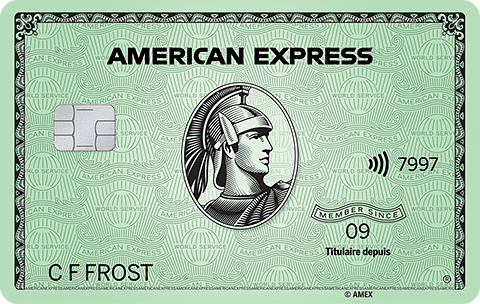 American Express® Green CardAmerican Express Canada
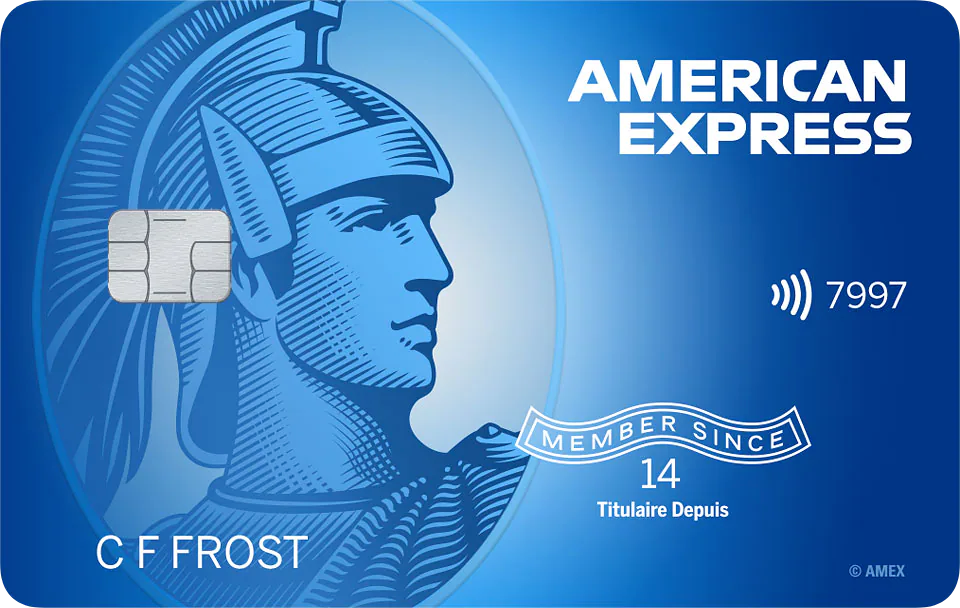 SimplyCash® Card from American ExpressAmerican Express Canada
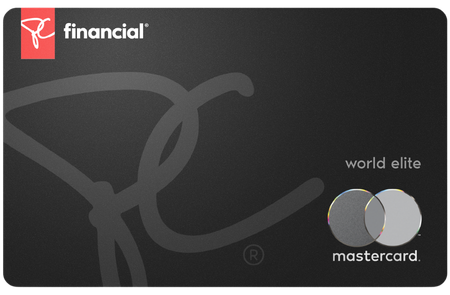 PC® World Elite® Mastercard®PC Financial
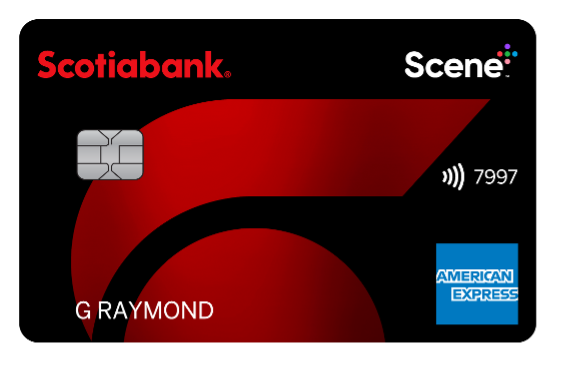 Scotiabank American Express® CardScotiabank
Our methodology
For a balance to pay off, we compare the interest you would pay at 20.99% with each card’s, over the timeline you aim for, minus transfer and annual fees. For a balance carried, the saving is worked out over a year at the card’s purchase rate. For no-fee and first cards, we compute the first-year net rewards with the same engine as our comparator.
We set aside cards you could not use: those of the bank that already holds your balance, cards offered outside your province, American Express if you avoid it, cards whose minimum income exceeds your band.
Ratesopedia is paid by some issuers when an application is approved. Between cards of close value, within 15% of each other, the one that pays us may come first; a card never comes ahead of one that is clearly better for you.
Balance transfer or low rate: which one fits you
Both cards cut the interest you pay, but not in the same situation. A balance transfer deals with a debt you already have; a low rate protects you from the one that comes back every month. Picking the wrong one can cost you several hundred dollars.
Balance transfer: a debt to repay, an end date
A balance transfer card takes over another card’s debt at a promotional rate, often 0% or close to it, for 6 to 18 months. On a $5,000 balance at 20.99%, that is over $1,000 a year of interest gone during the promotion. Three things decide the real saving. First, the transfer fee, 1% to 3% of the amount, paid up front. Next, the length: if you cannot repay before the promotion ends, what is left goes back to the card’s regular rate. Finally, the bank: an issuer won’t take over a balance it already holds, which is why the quiz asks. Our best balance transfer cards are ranked on these three points.
Low rate: a balance that comes back every month
If you carry a balance regularly, with no set plan to clear it, a few months of promotion only push the problem back. A low-rate card, around 13%, then costs about eight dollars less per $100 carried over a year, at all times and with no end date. On $3,000 carried, that is close to $240 a year, more than any rewards card earns at that level of spending. These cards’ annual fees, often $20 to $30, pay for themselves from a few hundred dollars of balance. See our best low-interest credit cards.
How to decide
Ask yourself one question: can you repay this balance before a promotion ends? If so, the transfer almost always wins, fees included. If the debt renews every month, the low rate is the safer bet. Many readers use both: a transfer to clear today’s debt, then a low-rate card so it does not build up again.
And then?
Once you pay the balance in full every month, interest no longer matters: it is time to move to a no annual fee card that earns cash back. If your credit file has taken a hit, start instead with a card to rebuild your credit. Either way, the quiz works out each option with your own balance and your own timeline.
Our readers’ profiles
A balance to pay off
You carry a balance on a card at over 20%.
A promotional transfer gives you months to pay it down, as long as you count the transfer fee and the rate that follows the promotion.
See the rankingBalance carried month to month
You sometimes don’t pay the balance in full.
A low interest rate at all times then saves you more than any reward earns.
See the rankingNo annual fee
You pay the balance in full and no longer want to pay for your card.
A good no-fee card still earns cash back on groceries, gas and bills.
See the rankingCredit to build or rebuild
Your file is empty or damaged.
A secured or guaranteed-approval card gets you back into credit; every statement paid on time brings you closer to a regular card.
See the rankingFirst card
You are starting out: studies, arrival in Canada or a first job.
A no-fee card, often at your own bank, builds your history and already earns a little.
See the ranking
Frequently asked questions
Does the quiz affect my credit file?
No. The quiz runs no credit check and sends nothing to issuers. Your answers stay in your browser.
How are the cards ranked?
By what they save you: interest avoided for a balance, net rewards for a no-fee card. For building credit there is no dollar value: cards are ranked from the cheapest to hold.
Are you paid by the issuers?
Yes, by some of them, when an application is approved. It only breaks ties between cards of close value, within 15% of each other; a card that is clearly better for you stays ahead.
Why are my bank’s cards set aside for a transfer?
An issuer won’t take over a balance it already holds: a transfer from your TD card to another TD card is refused. The quiz therefore removes the cards of the bank that holds your balance.
Will I be approved for the recommended card?
Approval, the limit and the rate granted are up to the issuer. The quiz sets aside cards whose minimum income exceeds the band you give, but it cannot promise approval.
Balance transfer or low rate: which should I choose?
If you can repay the balance before a promotion ends, the transfer almost always wins, fees included. If the balance comes back every month, a low rate at all times is the safer bet.
What happens to my answers?
They stay in this browser tab and disappear when you close it. If you create an account, your latest result and your “I already have it” choices are carried into your member space.