The best no annual fee credit cards in Canada, sorted by use: cash back, rewards points, low interest, students, and rebuilding credit. Fees, rates, and welcome offers are read from our card catalogue as of November 9, 2026.
Every card on this page charges a $0 annual fee for the primary cardholder. We compared earn rates on everyday categories, the current welcome offer and its end date, income requirements, and interest rates. Card details come from our catalogue and each issuer's terms; offers change often, so check the card page before you apply.
A no annual fee credit card costs $0 to keep, so every dollar of cash back or every point it earns stays with you. The trade-off is lower earn rates and lighter insurance than premium cards. The right $0 card depends on what you spend on and on your credit profile, so we grouped our picks by use below.
If you are open to paying a fee for higher rewards, start with our guide to the best credit cards in Canada or the cards with a first-year fee waiver.
Best no annual fee cash back cards
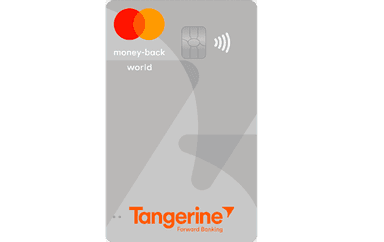
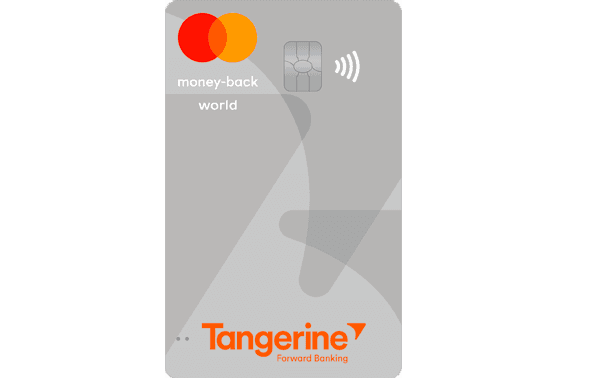
- Tangerine Money-Back World Mastercard: 2% cash back in two categories you choose (a third with a Tangerine savings account) and 0.5% elsewhere. Welcome offer of $120 after $1,500 in purchases within 3 months, until November 30, 2026. It requires $50,000 in personal income or $80,000 in household income.
- Tangerine Money-Back Credit Card: the same 2% category choice with up to $100 cash back after $1,000 in purchases within 2 months, until November 30, 2026.
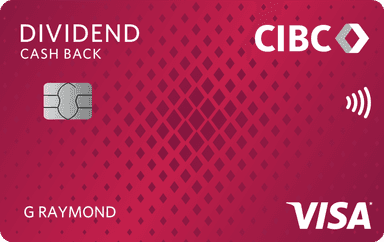
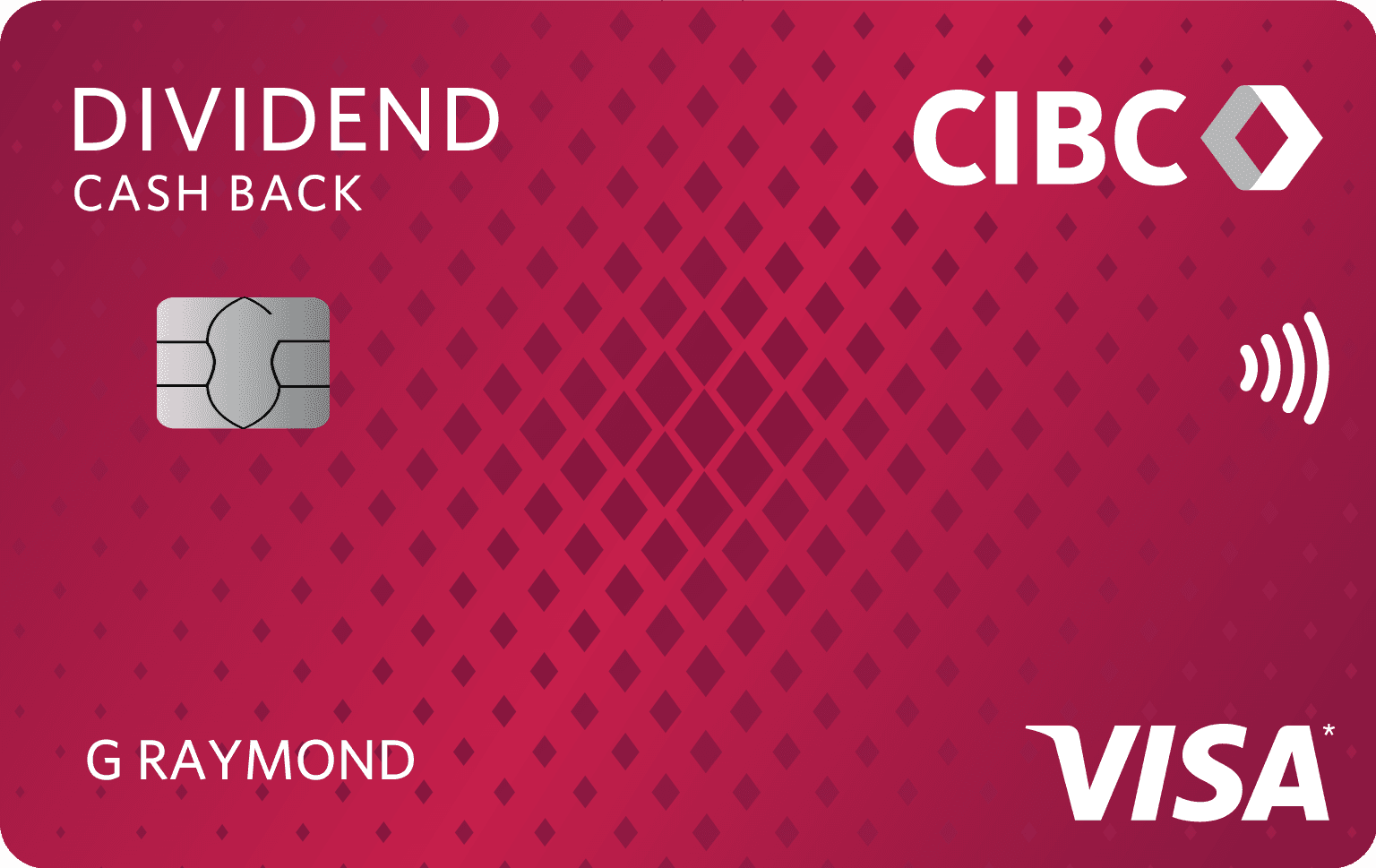
- CIBC Dividend Visa Card: 2% on groceries, 1% on gas, EV charging, transit, dining, and recurring payments, and 0.5% on everything else. You get up to $100 cash back through 5% on your first 4 statements (up to $2,000 in purchases). It requires $15,000 in income.
Best no annual fee rewards cards
- Scotiabank American Express Card: 2 Scene+ points per dollar on groceries, dining, entertainment, gas, daily transit, and streaming, and 1 point elsewhere. Up to 5,000 welcome points in the first 3 months, for applications made by July 1, 2027.
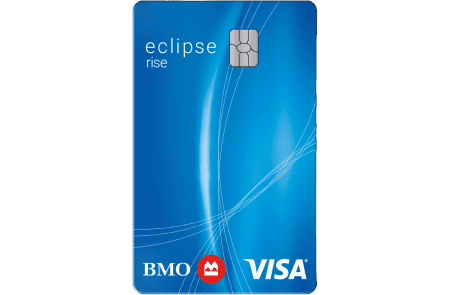
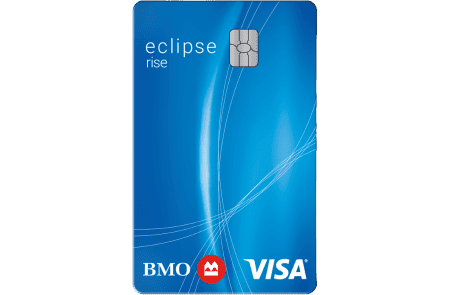
- BMO eclipse rise Visa Card: 5 BMO Rewards points per $2 on groceries, dining, and recurring bills, and 1 point per $2 elsewhere. Up to 25,000 points, including 20,000 after $1,500 in purchases within 3 months. No minimum income is required.
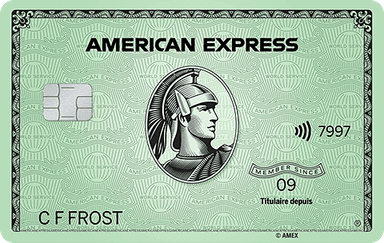
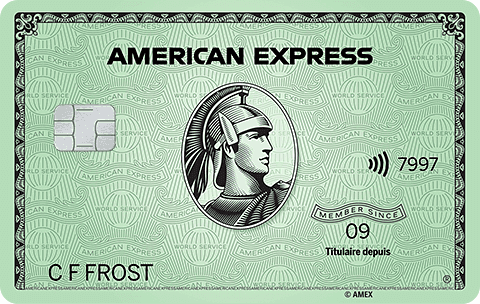
- American Express Green Card: 1 Membership Rewards point per dollar and 10,000 welcome points after $1,000 in purchases within 3 months. You can transfer points 1:1 to several airline and hotel programs.
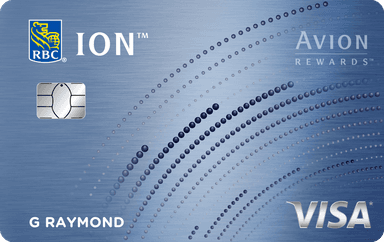
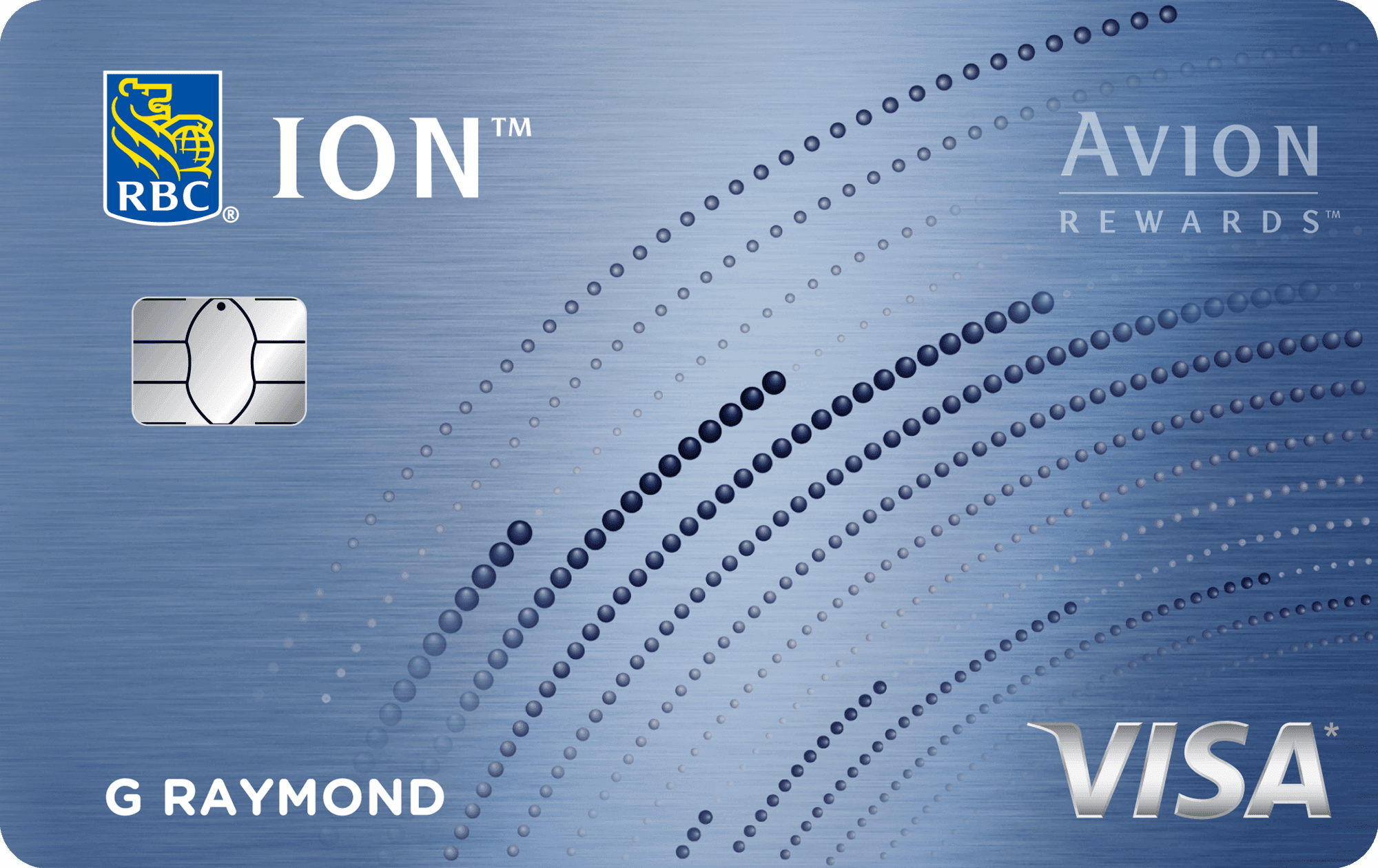
- RBC ION Visa Card: 1.5 Avion points per dollar on groceries, gas, transit, and streaming. Up to 7,000 Avion points for applications made by January 12, 2027.
Best no annual fee low interest card
Most $0 cards charge between 19.99% and 21.99% on purchases. The Desjardins Flexi Visa Card charges 10.90% on purchases and 12.90% on cash advances, with no annual fee, which makes it a strong choice if you sometimes carry a balance. If you plan to move existing debt, a balance transfer offer can cost less in the short term.
Best no annual fee cards for students
Students often have little income and a short credit history. The BMO eclipse rise Visa Card and the RBC ION Visa Card list no minimum income in our catalogue and charge no annual fee, so they are realistic first cards. Pay the full balance each month: your first year of on-time payments matters more for your score than the rewards you earn.
Best no annual fee cards to rebuild credit
- Home Trust Secured Visa: $0 annual fee, 19.99% on purchases, and a 2% foreign transaction fee. You set your limit with a security deposit.
- Capital One Guaranteed Secured Mastercard: $0 annual fee, 29.9% on purchases (21.9% in Quebec).
Both cost less to hold than the Secured Neo Mastercard, which charges $9.99 per month. Use the card for small purchases and pay in full to build your history.
When a card with a fee is worth it
Divide the annual fee by the extra rate the paid card earns. A $120 card that returns 1% more than a $0 card needs $12,000 a year in matching purchases just to break even, before you count insurance or lounge access. If you spend less than that, a no annual fee card usually wins. Our rewards calculator runs the numbers on your own spending.
Frequently Asked Questions
What is the best no annual fee credit card in Canada?
It depends on how you spend. For cash back, the Tangerine Money-Back World Mastercard pays 2% in two categories you choose, with a $120 welcome offer until November 30, 2026. For points, the Scotiabank American Express Card earns 2 Scene+ points per dollar in six everyday categories. If you carry a balance, the Desjardins Flexi Visa Card charges 10.90% on purchases.
Do no annual fee credit cards earn good rewards?
They earn less than premium cards, usually 0.5% to 2% in cash back or 1 to 2.5 points per dollar in bonus categories. Because you pay no fee, a moderate spender often keeps more value with a $0 card than with a card whose fee eats most of the extra rewards.
What is the best no fee Mastercard in Canada?
The Tangerine Money-Back World Mastercard is our top no fee Mastercard for cash back: 2% in two categories you choose and 0.5% elsewhere, with a $0 annual fee. It requires $50,000 in personal income or $80,000 in household income. To rebuild credit, the Capital One Guaranteed Secured Mastercard also has no annual fee.
Can I get a no annual fee credit card with bad credit?
Yes. Secured cards such as the Home Trust Secured Visa and the Capital One Guaranteed Secured Mastercard charge no annual fee. You provide a security deposit that sets your limit, and on-time payments help rebuild your credit history.
Is a no annual fee card good for a student?
Yes, as long as you pay the full balance each month. Cards such as the BMO eclipse rise Visa Card and the RBC ION Visa Card list no minimum income in our catalogue, which suits students with little or no salary.
What fees can a no annual fee card still charge?
A $0 annual fee does not remove other costs. Most of these cards add a 2.5% foreign transaction fee on purchases in other currencies, charge interest from the first day on cash advances, and apply late payment fees. Read the card's terms for the exact amounts.
Should I keep an old no fee card open?
Usually yes. A card with no annual fee costs nothing to keep, and closing it can shorten your credit history and raise your utilization ratio. Make a small purchase from time to time so the issuer does not close the account for inactivity.