Understand Credit Card Travel Insurance

Loading article…
Yes, many credit cards in Canada include travel insurance as a built-in benefit. Whether you have emergency medical coverage, trip cancellation protection, or baggage insurance depends on your specific card. Premium travel cards typically offer the most comprehensive coverage, while no-fee cards may provide limited or no travel insurance.
Understanding what your credit card covers—and what it doesn’t—can save you thousands of dollars in unexpected costs. This guide breaks down the types of travel insurance available, eligibility requirements, common exclusions, and when you should consider purchasing additional coverage.
Most premium credit cards in Canada include some form of travel insurance. Cards with annual fees typically offer more comprehensive coverage than no-fee options. To activate coverage, you usually need to charge a portion or all of your trip costs to the card.
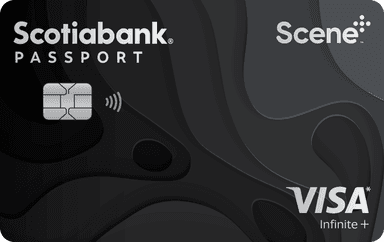
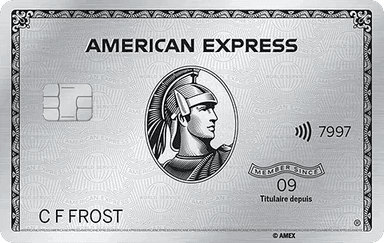
The coverage types and limits vary significantly by card issuer and tier. Premium cards like the American Express Platinum Card or Scotiabank Passport® Visa Infinite +* Card provide extensive benefits. Budget-friendly cards may only include basic protections like car rental insurance.
Before your next trip, review your card’s Certificate of Insurance. This document outlines exactly what’s covered, eligibility conditions, coverage limits, and the claims process. You can find this certificate on your card issuer’s website or by calling the number on the back of your card.
Credit card travel insurance typically includes several protection types. Each addresses different travel risks, from medical emergencies to lost luggage. Understanding these categories helps you identify gaps in your coverage.
This covers unexpected medical expenses when you travel outside your home province or country. Hospital stays, doctor visits, prescription medications, and emergency medical evacuation are typically included.
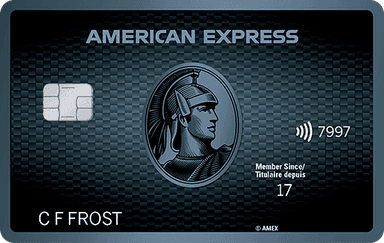
For example, the Scotiabank Passport Visa Infinite +* Card offers $2 million in emergency medical coverage for up to 25 days for cardholders under 65. The American Express Cobalt Card provides $5 million for the first 15 consecutive days.
Trip cancellation insurance reimburses non-refundable travel costs if you must cancel before departure due to covered reasons. Trip interruption covers additional expenses if you need to cut your trip short or return home early.
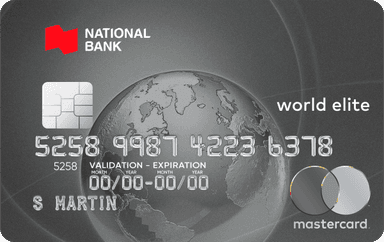
The National Bank World Elite Mastercard offers above-average trip cancellation coverage of $2,500 per person and trip interruption coverage of $5,000 per person. Rates and terms may vary by financial institution.
Two types of baggage coverage are commonly included: delayed baggage insurance and lost or stolen baggage insurance. Delayed baggage coverage reimburses essential purchases when your bags are delayed. Lost baggage coverage compensates you for the replacement value of lost, stolen, or damaged bags and contents.
Coverage typically ranges from $500 to $1,000 per person. Delays must usually exceed 4-6 hours to qualify. Essential items covered often include clothing, toiletries, and basic necessities.
If your flight is delayed for more than 4 hours, most premium cards provide coverage for eligible expenses. This typically includes meals, accommodations, and essential purchases during the delay period.
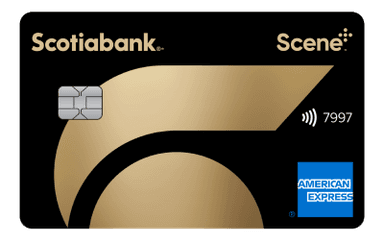
Coverage limits generally range from $250 to $1,000 per person. You’ll need to keep all receipts and documentation proving the delay duration and cause. The Scotiabank Gold American Express Card provides up to $500 coverage per person for flight delays.
Car rental collision and damage insurance covers theft, damage, and loss when you rent a vehicle. This benefit can save you $15-30 per day by allowing you to decline the rental company’s Collision Damage Waiver.
Travel accident insurance provides financial compensation for accidental death or serious injury during travel on a common carrier. Common carriers include planes, trains, buses, ferries, and cruise ships.
Coverage amounts typically range from $100,000 to $500,000 per person. The Scotiabank Passport Visa Infinite +* Card offers $500,000 per person, with a maximum of $1 million per occurrence.
Credit card travel insurance isn’t automatically active in all cases. Specific conditions must be met for coverage to apply. Understanding these requirements prevents unpleasant surprises when filing a claim.
Most cards require you to charge a portion of your trip costs to the card. The exact percentage varies by issuer. Scotiabank cards typically require at least 75% of the trip cost to be charged to the card. American Express cards often require 100% of the ticket cost.
Emergency medical insurance is often an exception. Many cards provide this coverage regardless of whether you charged your trip to the card. However, trip cancellation and interruption insurance almost always require full payment on the card.
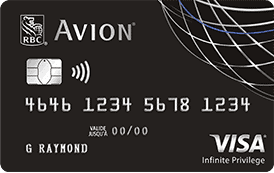
Coverage duration is one of the most critical eligibility factors. If you travel longer than your card’s coverage period, you’ll be completely uninsured after that limit. Most premium cards cover trips of 15-31 days for younger travellers. Travellers aged 65 and older face much shorter limits: 3 days on the RBC Avion Visa Infinite and the Scotiabank Passport Visa Infinite+, 7 days on the RBC Avion Visa Infinite Privilege, 15 days (to age 75) on the National Bank World Elite, and the American Express Platinum and Cobalt cards provide no emergency medical coverage at all from age 65.
Credit card travel insurance contains numerous exclusions that can void your coverage. Reading your Certificate of Insurance carefully helps you understand these limitations before you travel.
This is the most common reason for claim denials. Pre-existing conditions are medical issues for which you received treatment, consultation, or prescription changes within a specified period before your trip. This period is typically 90 days but varies by card.
Older travellers face stricter limitations. Coverage duration drops significantly for travellers 65 and older. Some cards offer unlimited emergency medical coverage for younger travellers but only 7-10 days for seniors.
For example, the RBC Avion Visa Infinite Privilege provides unlimited emergency medical coverage for trips up to 31 days for cardholders under 65. Those over 65 receive unlimited coverage for only 7 days.
Even when coverage applies, sub-limits often restrict specific claim types. Baggage coverage might have a per-item limit of $300-500. Trip cancellation may cap at $1,500 per person regardless of actual costs. Flight delay coverage often maxes out at $500-1,000.
Credit card travel insurance works well for short trips taken by yourself with no pre-existing conditions. However, several situations require additional coverage for adequate protection.
If you’re snowbirding, taking an extended vacation, or travelling for work assignments longer than your card’s limit, you need supplementary coverage. A 60-day winter vacation in Arizona won’t be fully covered by a card that caps at 25 days.
Some insurers offer top-up coverage that extends your credit card protection. This allows you to benefit from your card’s free coverage for the first 15-25 days, then purchase additional insurance only for the remaining period.
Credit card insurance often limits coverage to the cardholder and immediate family members. If you’re travelling with extended family, friends, or a group, they may not be covered. Family coverage definitions vary, so verify whether your spouse, dependent children, or other relatives qualify.
If you have chronic health conditions, credit card coverage may be insufficient or entirely excluded. Dedicated travel medical insurance offers clear, manageable guidelines for pre-existing conditions. Some plans provide coverage if your condition has been stable for a specified period.
When you’ve prepaid significant amounts for an entire vacation, credit card trip cancellation limits may not cover your full investment. A cruise costing $8,000 per person won’t be fully protected by a card capping coverage at $1,500 per person.
| Credit card | Annual fee | Welcome offer | |
|---|---|---|---|
| $150 | |||
| $120 | |||
| $799 | |||
| $0 | |||
| $399 | |||
| $191.88 |
Several Canadian credit cards stand out for comprehensive travel insurance coverage. When comparing cards, consider coverage amounts, duration limits, age restrictions, and the types of insurance included. Explore more options in our guide to the best travel credit cards in Canada.
| Credit Card | Emergency Medical | Trip Duration | Trip Cancellation | Annual Fee |
|---|---|---|---|---|
| Scotiabank Passport Visa Infinite +* Card | $2,000,000 | 25 days (under 65) | $1,500/person | $150 |
| Scotiabank Gold American Express | $1,000,000 | 25 days (under 65) | $1,500/person | $120 |
| American Express Platinum | $5,000,000 | 15 days (under 65) | $2,500/person | $799 |
| American Express Cobalt | $5,000,000 | 15 days (under 65) | Not included | $191.88/year |
| National Bank World Elite | Up to $5,000,000 | 60 days (54 and under), 31 days (55–64), 15 days (65–75) | $2,500/person | $150 |
| RBC Avion Visa Infinite Privilege | Unlimited | 31 days (under 65) | $2,500/person | Higher tier card |
Rates and terms may vary by financial institution. The National Bank World Elite Mastercard offers exceptional emergency medical coverage duration of up to 60 days for cardholders 54 and under (31 days from 55 to 64, 15 days from 65 to 75), significantly longer than most competitors. The RBC Avion Visa Infinite Privilege is unique in offering unlimited emergency medical coverage.
The Scotiabank Gold American Express Card provides strong value with $1 million in travel medical insurance for 25 days, comprehensive trip cancellation and interruption coverage, and no foreign transaction fees—all at a competitive $120 annual fee.
Credit card travel insurance provides valuable protection for many Canadian travellers, especially on short trips. Premium cards offer comprehensive coverage including emergency medical, trip cancellation, baggage protection, and car rental insurance. However, coverage limits, duration restrictions, and exclusions mean credit card insurance is rarely sufficient as your only protection.
Before relying on your card’s insurance, verify the coverage duration matches your trip length, confirm eligibility requirements, and understand exclusions for pre-existing conditions. For extended trips, family travel, high-value vacations, or if you’re over 65, supplementary insurance fills critical gaps. Compare credit cards to find the coverage that matches your travel patterns.
The best strategy combines credit card benefits with targeted additional coverage where needed. This approach maximizes the value of your card’s included insurance while ensuring complete protection. Stay informed about new offerings and policy changes by signing up for our newsletter for regular updates on credit card benefits and travel insurance options.
No, not all credit cards include travel insurance. Premium cards with annual fees typically offer comprehensive travel coverage, while no-fee cards may provide limited benefits or none at all. The Tangerine Money-Back World Mastercard, for example, only includes car rental insurance with no medical or trip cancellation coverage.
Most credit card travel insurance activates automatically when you charge your trip costs to the card. Specific requirements vary by issuer—some require 75% of trip costs charged, while others require 100%. Emergency medical insurance often applies regardless of payment method. You don’t typically need to notify the card issuer before travel, but you must meet all eligibility criteria outlined in your Certificate of Insurance.
Emergency medical coverage typically ranges from $1 million to $5 million per trip for 15-31 days. Trip cancellation usually caps at $1,500-$2,500 per person. Baggage coverage ranges from $500-$1,000 per person. Flight delay coverage typically maxes out at $500-$1,000. Car rental insurance covers vehicles with an MSRP up to $65,000-$85,000 for 31-48 consecutive days.
Credit card travel insurance has very strict limitations on pre-existing conditions. Most cards exclude coverage for any condition that required treatment, medication changes, or medical consultation within 90 days before your trip. If you have chronic health conditions like diabetes or heart disease, your credit card coverage may not apply, and you should consider purchasing dedicated travel medical insurance with clear pre-existing condition guidelines.
Yes, but with significantly shorter coverage periods. Travellers 65 and older get much shorter coverage, or none: 3 days on the RBC Avion Visa Infinite and the Scotiabank Passport Visa Infinite+, 7 days on the RBC Avion Visa Infinite Privilege, 15 days (to age 75) on the National Bank World Elite, and no emergency medical coverage on the American Express Platinum and Cobalt cards. Some cards offer extended coverage for seniors—the RBC Avion Visa Infinite Privilege provides 7 days of unlimited coverage for those over 65, while the National Bank World Elite offers coverage for older travellers but with specific terms.
Yes, top-up insurance allows you to extend your credit card coverage beyond its duration limit. For example, if your card covers 15 days and you’re travelling for 30 days, you can purchase supplementary insurance for days 16-30. This approach saves money by using your card’s free coverage first, then paying only for the additional days you need. Many Canadian insurers offer this option.
You’ll typically need your airline tickets, proof of charging the trip to your card, receipts for expenses incurred, documentation proving the delay or cancellation, medical bills and hospital records (for medical claims), and a detailed list of lost or stolen items with their values. Keep all receipts and documentation during your trip. Most claims must be filed within a specific timeframe, usually 30-90 days after your return.
Read next

Our reviews and rankings are based on an objective assessment. Advertisers do not influence our content. We may receive compensation through some links; our analysis and opinions remain independent.