
EV Luxury Tax: Ottawa Proposes a $150,000 Threshold for Electric and Hydrogen Vehicles
Ottawa proposes a $150,000 luxury tax threshold for fully electric and hydrogen vehicles, up from $100,000, effective November 13, 2026, pending approval.
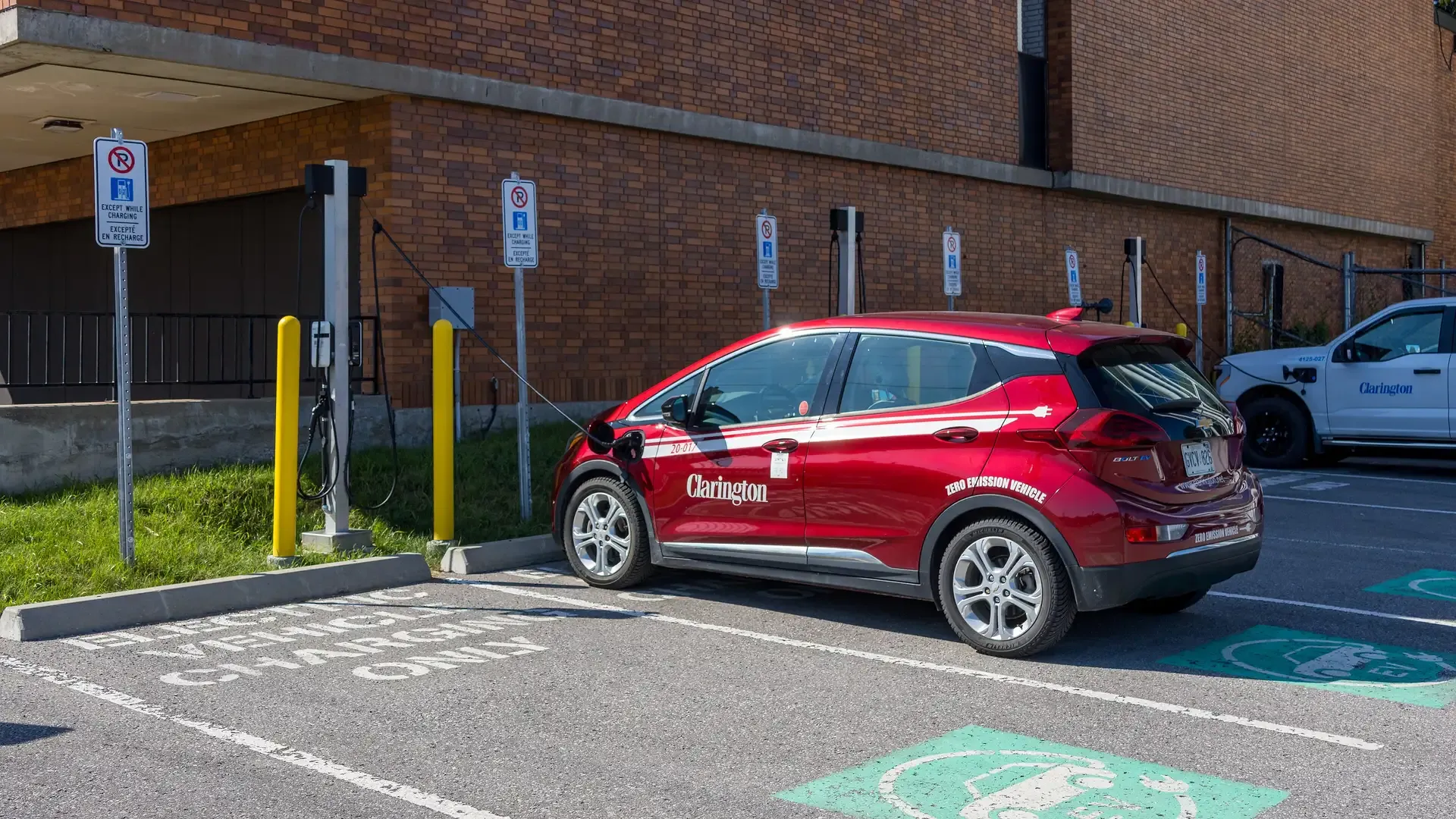
The federal luxury tax on electric vehicles is set to apply far less often. On November 12, 2026, the Department of Finance Canada proposed raising the luxury tax threshold for fully electric and hydrogen-powered vehicles from $100,000 to $150,000, effective November 13, 2026, subject to approval by Parliament.
Every other passenger vehicle, including gas, diesel and plug-in hybrid models, would stay at the current $100,000 threshold. If you are shopping for an EV valued between $100,000 and $150,000, the proposal could remove a luxury tax bill of up to $10,000.
As of November 2026, the luxury tax on a qualifying electric vehicle would apply only above $150,000 instead of $100,000, under draft legislation published by the Department of Finance Canada on November 12, 2026. A fully electric car valued at $125,000, which owes $5,000 in luxury tax under the current rule, would owe nothing once the change applies.
What the proposal changes
The draft legislation amends the Select Luxury Items Tax Act in two ways:
- New category: it creates the "qualifying electric vehicle", a motor vehicle that is fully electric or fully powered by hydrogen, plus any vehicle later designated by regulation.
- New threshold: the price threshold becomes $150,000 for a qualifying electric vehicle and stays at $100,000 for every other subject vehicle.
The formula itself is not touched. Under the current rules, the luxury tax on a vehicle is the lesser of 10% of its full value and 20% of the value above $100,000.
How much an EV buyer would save
The table below compares the luxury tax on a fully electric vehicle at three values, under the current $100,000 threshold and under the proposed $150,000 threshold.
| Vehicle value | 10% of full value | 20% of value above $100,000 | Luxury tax today | Luxury tax under the proposal |
|---|---|---|---|---|
| $110,000 | $11,000 | $2,000 | $2,000 | $0 |
| $125,000 | $12,500 | $5,000 | $5,000 | $0 |
| $149,000 | $14,900 | $9,800 | $9,800 | $0 |
Below $100,000, nothing changes: no luxury tax applies to a vehicle at that value. Above $150,000, a fully electric vehicle would remain subject to the tax.
Which vehicles still pay from $100,000
The higher threshold is reserved for vehicles with no combustion engine. These would keep the $100,000 threshold:
- gasoline and diesel vehicles
- conventional hybrids and plug-in hybrids, since they are not fully electric
- any other vehicle that is neither fully electric nor fully powered by hydrogen
The luxury tax applies to sales, imports, leases and certain improvements of subject vehicles, so the threshold matters whether you buy, lease or bring a vehicle into Canada.
When the new threshold would apply
The draft legislation ties the new threshold to the date of the transaction. It would apply to:
- Sales: a sale completed on or after November 13, 2026
- Imports: a vehicle imported on or after November 13, 2026
- Registrations: a vehicle registered with a province or the federal government on or after November 13, 2026
- Leases: a lease where the lessee first has the right to use the vehicle on or after November 13, 2026
The draft also prevents an extra luxury tax on later improvements to an electric vehicle that would not have been taxed under the $150,000 threshold.
What "subject to parliamentary approval" means
Ottawa has published the measure as draft legislation, not as law. The new threshold would be effective November 13, 2026, but it becomes law only once Parliament adopts the amending bill. Until then, the threshold written in the Select Luxury Items Tax Act remains $100,000.
If you are closing a deal on an EV valued between $100,000 and $150,000, ask your dealer how it will handle the luxury tax and keep your bill of sale: the completion date decides which threshold applies.
Bottom Line
Buying or leasing a fully electric or hydrogen vehicle valued between $100,000 and $150,000? Check that the dealer applies the proposed threshold to a sale completed on or after November 13, 2026, and keep the paperwork that shows the date. Driving a plug-in hybrid or a gas model? Nothing changes: the tax still starts at $100,000.
Financing the purchase? Run the numbers with our guide on how to calculate your car loan payment, and keep track of filing dates with our CRA tax deadlines guide. For more updates, browse our Canadian tax news or subscribe to the Ratesopedia newsletter.